Felicita Decor Felicita Decor

China Best Scents for Holiday Mood Setting?

Time:2026-09-14 Author:Amelia
0%

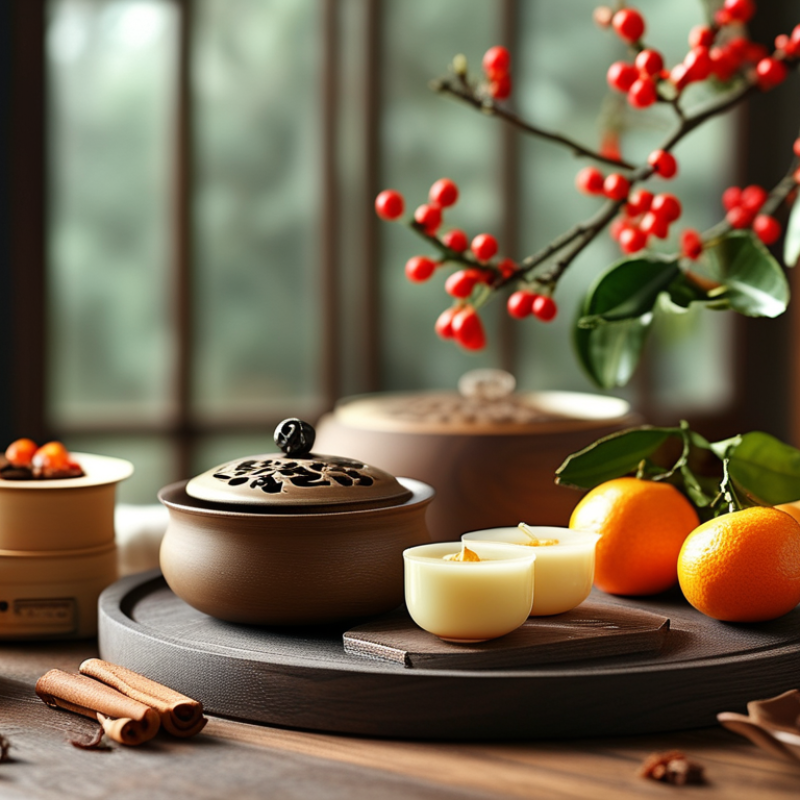
Holiday fragrance in China is rarely just about sweetness. It can recall family kitchens, winter markets, temple courtyards, and freshly opened gift boxes. Mandarin peel offers a bright, familiar note, while osmanthus brings a soft floral impression. Warm tea, cedarwood, sandalwood, and light pine can create a calmer seasonal atmosphere.

What are the best scents for holiday mood setting? The answer depends on the celebration, room, and people sharing it. For Lunar New Year gatherings, mandarin, kumquat, and osmanthus may feel welcoming beside red decorations and steamed pastries. For a quiet winter evening, roasted tea, cedar, or sandalwood can add depth without competing with food. Subtlety matters. Strong fragrance can quickly become tiring.

Professional fragrance selection should consider quality, concentration, and ventilation. Choose products with clear ingredient labels and reliable manufacturing information. Test a small amount before using it throughout a room. Some guests may be sensitive to fragrance, and pets can react differently to essential oils. Always follow the product’s instructions.

My preference is a gentle blend of mandarin peel, osmanthus, and tea. It feels festive, but not overly polished. That judgment is subjective. Cultural memories also differ between regions and generations. A scent associated with celebration for one family may feel unfamiliar to another. This guide therefore compares traditional Chinese-inspired notes with practical holiday use, while acknowledging that no fragrance creates warmth by itself. Shared food and conversation still matter most.
China Best Scents for Holiday Mood Setting?

Traditional Chinese Scents and Their Holiday Associations

China Best Scents for Holiday Mood Setting?

Traditional Chinese scents often carry seasonal memories, not just pleasant aromas. Osmanthus suggests Mid-Autumn Festival, with its soft honeyed sweetness and imagined moonlit courtyards. Fresh citrus peel feels brighter during Lunar New Year, especially beside red paper decorations and warm tea. Mugwort sachets are closely associated with Dragon Boat Festival traditions. Their herbal smell recalls doorways, woven pouches, and summer heat. These connections make fragrance part of cultural experience.

Grand View Research valued the global home fragrance market at about $13.16 billion in 2023. It also forecasts steady growth through 2030. McKinsey’s Future of Wellness research places the wider wellness economy near $1.8 trillion. These figures show rising interest in sensory rituals. Yet cultural meaning matters more than market size.

In my experience, one small osmanthus diffuser creates more atmosphere than several competing scents. I once used too much sandalwood. The room felt heavy, not festive. Personal preference is never universal.

Tips: Choose one main scent and one supporting note. Pair citrus with tea for New Year gatherings. Use mugwort gently in a ventilated room. For Mid-Autumn evenings, try osmanthus with subtle wood notes. Check household sensitivities first. Fragrance should invite memory, not overpower conversation.

Key Fragrance Notes for Creating a Festive Atmosphere

China Best Scents for Holiday Mood Setting?

Holiday fragrance works best when it feels layered, not loud. In my experience, bright citrus notes create the quickest festive lift. Mandarin peel, sweet orange, and bergamot suggest freshly opened gifts and warm kitchen light. Use them near entrances or dining areas. Their airy character welcomes guests without overwhelming conversation.

Spice notes add warmth and visual imagination. Cinnamon feels familiar, while clove brings a darker, sharper edge. Cardamom can make the blend cleaner and less heavy. I sometimes overdo clove. It quickly turns from festive to medicinal. A small amount is usually enough. For a softer center, try vanilla, roasted chestnut, or steamed rice accords. These notes create comfort without becoming sugary.

Wood notes help the atmosphere last. Cedar, pine, and sandalwood can suggest winter branches, wooden furniture, or a quiet evening indoors. Osmanthus and dried tangerine peel may add a gentle regional touch, especially in Chinese holiday settings. They should support the main fragrance, not compete with it. Ventilation matters, particularly around children, older adults, pets, or scent-sensitive guests. Test a small area first. Natural does not automatically mean harmless, and personal preference is not a safety standard. Candles also need stable surfaces and supervision. The ideal festive scent is noticeable for a moment, then allows people to enjoy the room.

Best Chinese Scents for Different Holiday Moods

China’s best holiday scents depend on the mood you want to create. For a warm family reunion, try osmanthus, roasted tea, or dried tangerine peel. Their soft sweetness feels like moonlight over a wooden tea table. For a lively New Year gathering, citrus, ginger, and Sichuan pepper can add sparkle without becoming sharp. A quiet winter evening suits sandalwood, white tea, or lotus. These notes create a clean, calm room.

Grand View Research projects strong growth in China’s fragrance market through 2030, with an estimated compound annual growth rate above 8%. Euromonitor International’s 2024 beauty research also highlights emotional wellbeing and personal identity as important purchase motivations. That matters during holidays. People often choose a scent to remember a place, not only to smell pleasant. My own preference changes each year; sweet osmanthus sometimes feels comforting, but occasionally it becomes too dense.

Tips: Match scent intensity to room size. Use one or two light sprays in a small dining area. Ventilate before guests arrive. For children, older adults, or sensitive visitors, choose softer notes and ask about preferences. Natural does not always mean harmless, so check safety guidance from the International Fragrance Association and follow product instructions. Keep the scent close to the background. A holiday room should still smell like food, tea, and fresh air.

China’s Best Scents for Holiday Mood Setting

Traditional Chinese aromatic materials can create different holiday atmospheres: warm sandalwood for comfort, osmanthus for celebration, green tea for freshness, and agarwood for a grounded mood.

Mood-fit scores use a 0–100 editorial index based on the traditional scent profiles and commonly associated emotional impressions of each Chinese aromatic material; they are not commercial sales data.

How to Combine Scents for Balanced Seasonal Ambiance

China Best Scents for Holiday Mood Setting?

How to Combine Scents for Balanced Seasonal Ambiance

Holiday scent works best when each note has a clear role. In my scent testing, dried mandarin peel creates a bright opening, while osmanthus adds a soft floral warmth. A small amount of cedar gives the room structure and prevents sweetness from becoming heavy. This combination suits a dining area with warm lights, wooden furniture, and fresh winter air.

Start with two parts citrus, one part osmanthus, and half a part cedar. Adjust slowly. Your nose needs time. Let the blend rest for ten minutes before judging it. For a cooler, calmer atmosphere, replace some citrus with green tea or a faint pine note. Ginger can add liveliness, but use very little. It quickly dominates.

Less is safer.

My first holiday blend was too sweet because I treated every pleasant scent equally. The result felt crowded, not comforting. That mistake changed my method. I now choose one leading note, one supporting note, and one grounding note. This simple structure is easier to control and repeat.

Keep scent sources away from flames, pets, and children. Provide ventilation, especially in small rooms. People with asthma, allergies, or scent sensitivity may need a scent-free space. Follow product instructions and stop using a blend if it causes discomfort. Seasonal atmosphere should feel inviting, though perfect balance is rarely achieved on the first attempt.

Choosing Safe and Suitable Holiday Fragrance Formats

China Best Scents for Holiday Mood Setting?

Holiday fragrance can make a Chinese home feel warmer, especially during family meals or quiet evenings. The format matters as much as the scent. Candles create a soft glow, but they need a stable, heat-resistant surface and constant supervision. Reed diffusers offer steady fragrance without a flame. However, they can spill easily near children or pets. Room sprays work quickly in entryways, but overuse may irritate sensitive noses.

Safety should guide the choice. Check the ingredient list, usage instructions, and allergen information before buying. Never apply a room fragrance directly to skin. Keep oils, sprays, and diffuser liquid away from food, flames, children, and animals. Good ventilation is essential, even in winter. A smaller room usually needs less fragrance than expected. Stronger is not always better.

Tips: Choose candles with secure containers and trim the wick before lighting. Place reed diffusers away from edges and electronics. Spray into the air, not onto fabrics, unless the label permits it. Test one format for a day before adding another. I once underestimated how quickly fragrance builds in a closed room; a pleasant scent became distracting by evening. That small mistake changed my approach. Holiday mood should feel inviting, not heavy.

FAQS

Which scents suit a warm family reunion?

Osmanthus, roasted tea, and dried tangerine peel create gentle warmth. They feel like moonlight on a wooden tea table.

What scents make a New Year gathering feel lively?

Citrus and ginger add brightness without becoming too sharp. Use only a little Sichuan pepper, because it can quickly dominate.

Which fragrances fit a quiet winter evening?

Sandalwood, white tea, and lotus create a clean, calm atmosphere. These notes work well beside warm lamps and fresh air.

How can I combine scents without making the room feel crowded?

Choose one leading note, one supporting note, and one grounding note. Try two parts citrus, one part osmanthus, and half a part cedar.

How long should a new scent blend rest?

Let it rest for about ten minutes before judging it. Your nose needs time. My first blend was too sweet.

How much fragrance should I use in a small dining area?

Begin with one or two light sprays. Ventilate before guests arrive. Less is safer.

Which fragrance format works best for holiday rooms?

Candles provide a soft glow but need constant supervision. Reed diffusers offer steady fragrance, while sprays work quickly near entryways.

How can I make holiday fragrance safer for guests?

Check usage instructions, ingredients, and allergen information. Keep fragrance away from food, flames, children, and animals.

What should I do if someone dislikes the fragrance?

Stop using it and provide a scent-free space. People with allergies, asthma, or sensitivity may need extra ventilation. Perfect balance is not guaranteed.

Conclusion

Discovering the best Chinese scents for holiday mood setting begins with traditional aromas and the feelings they evoke. What are the best scents for holiday mood setting? Warm cinnamon, sweet orange, osmanthus, jasmine, rose, sandalwood, and subtle tea notes can create an atmosphere that feels joyful, welcoming, peaceful, or reflective. Citrus and spice are ideal for lively gatherings, while floral and tea-inspired fragrances bring softness and elegance. Woody notes can add comfort and depth during quiet family moments or winter evenings.

A balanced seasonal ambiance often comes from combining complementary aromas rather than using one intense fragrance. For example, bright citrus can be softened with gentle woods, while floral notes can be grounded by tea or sandalwood. When choosing a holiday fragrance format, consider candles, reed diffusers, essential-oil blends, room sprays, or scented sachets according to the space and personal sensitivity. Always use products responsibly, ensure proper ventilation, and select mild, suitable options for homes with children, pets, or fragrance-sensitive guests.

Amelia

Amelia

Amelia is a seasoned marketing professional with a wealth of expertise in our company’s core offerings. With an unwavering passion for driving growth and innovation, she plays a pivotal role in shaping our marketing strategies and enhancing brand visibility. A key aspect of her responsibilities......