Felicita Decor
Every holiday season, many people face the common issue of flickering Christmas tree lights. Understanding "Why does my Christmas tree lights keep flickering" is crucial for a festive atmosphere. Industry experts, like Robert Davis, a renowned electrical engineer, emphasize that “flickering lights often indicate an underlying problem that needs attention.”
Statistics reveal that approximately 40% of holiday decorators experience light malfunctions. These failures can stem from various sources, including faulty bulbs, loose connections, or even electrical overloads. This problem not only disrupts the holiday spirit but can also lead to safety hazards if neglected.
Recognizing the signs of flickering lights allows for timely interventions. Careful inspection and troubleshooting can save homeowners from potential disasters. However, it's important to reflect on our practices. Are we ensuring that our lighting setups adhere to safety protocols? By addressing these concerns, we can enjoy a brighter, safer holiday season.
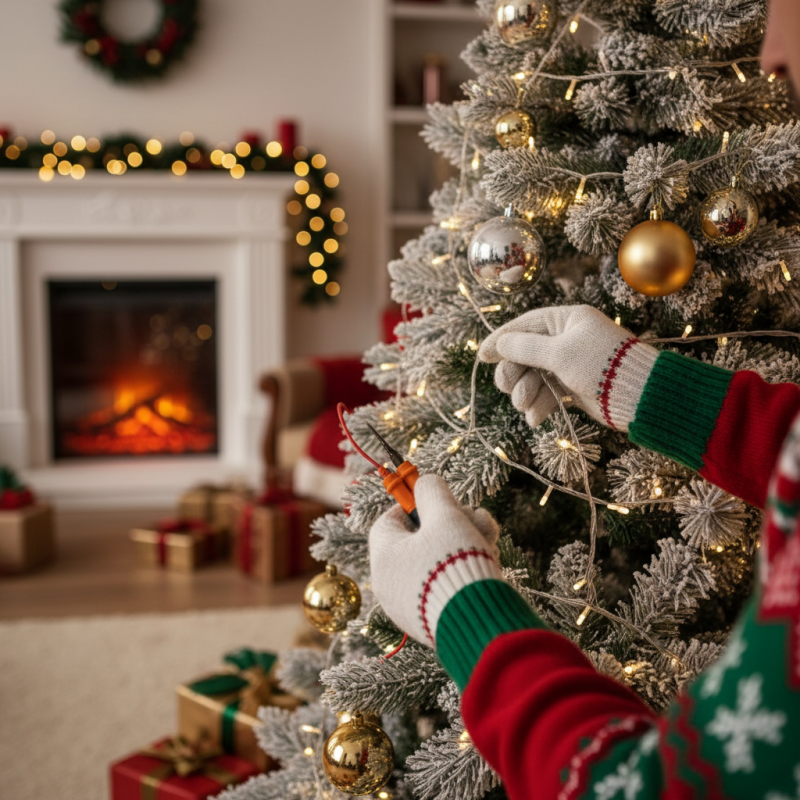
Flickering Christmas tree lights can be frustrating. Various factors may cause this issue. Loose connections are common culprits. Check all plugs and sockets for secure fit. Sometimes, bulbs can be faulty. Replace any burned-out bulbs to ensure your lights work smoothly.
In some cases, the entire string of lights may have a short circuit. Inspect the wiring for damage. Look for cracked insulation or exposed wires. If you find any, it’s wise to replace the string. Trying to fix a damaged light strand can be dangerous.
Tips: Always unplug the lights before working on them. Safety is crucial during the holiday season. Consider using a surge protector to prevent flickering due to power surges. Keeping your lights in good condition will enhance your holiday experience. A little prevention can save you from big headaches later.
Flickering Christmas tree lights can be frustrating. Often, the issue lies within the wiring. Loose connections frequently cause inconsistent lighting. This can happen at the plug or along the string of lights. If wires are frayed or damaged, they can lead to short circuits, resulting in flickering.
Another potential problem is overly tight bends in the wiring. If the lights are positioned in a way that puts strain on the cables, it can interrupt the current. Check for any areas where the wires seem pinched or overly taut. Inspecting the entire length of the wire is crucial. Look for signs of wear or stress.
It's also wise to examine the light bulbs themselves. Sometimes a faulty bulb can affect the entire string. Ensure all bulbs are securely fitted. Remove any that appear burned out. If the flickering persists after checking the wiring and bulbs, consider consulting a professional. Electrical issues can pose safety risks. Do not ignore abnormalities in your Christmas lighting.
When Christmas tree lights begin to flicker, it often signals a problem with the bulbs or connections. Inspecting your string lights should be your first step. Unplug the lights and inspect each bulb closely. Look for broken filaments or burnt-out bulbs. Sometimes a simple visual inspection reveals the issue.
Replace any faulty bulbs you find. Many light sets have spare bulbs included. If yours doesn’t, make sure to buy the correct replacement type. When inserting new bulbs, push them firmly into their sockets. A loose connection can also cause flickering. Don’t hesitate to wiggle the bulbs gently to secure their placement.
**Tips:** Use a multimeter for a thorough check if faint flickering continues. This tool can help determine if the issue lies with the wiring. Always take safety precautions. If you’re unsure, consider seeking help from a professional. Keep your electrical connections dry and away from moisture. This practice reduces the risk of flickering lights in the future.
| Issue | Possible Causes | Troubleshooting Steps | Replacement Needed |
|---|---|---|---|
| Flickering Lights | Loose Bulb or Connections | Check and secure all bulbs, ensuring they are tightly fitted. | If reseating doesn't work, replace the faulty bulb. |
| Partial Lighting | Burnt Out Bulb in Series | Identify and replace the burnt-out bulb to restore light. | Yes, replacement bulbs are needed to fix the circuit. |
| All Lights Out | Tripped Circuit or Faulty Plug | Check the fuse, reset the breaker or outlet. | Replacement may be needed for the plug or fuse. |
| Intermittent Flickering | Poor Connection or Damaged Wires | Inspect the entire string for frayed wires and repair or replace if necessary. | Yes, replacement of the string may be necessary if damaged. |
| Color Flickering | Defective RGB Bulbs | Test to identify any defective bulbs and replace them. | Yes, specific color bulbs may need replacement. |
When dealing with flickering Christmas tree lights, one of the critical factors to check is the power source. A weak or unstable connection can cause your lights to behave erratically. Look at the outlet you are using. Ensure it's functioning properly and not overloaded with other devices. A simple test is to plug in another device to see if it operates smoothly.
Inspect the entire length of your extension cord. Sometimes, damage isn't visible at first glance. Frayed wires or loose connections can lead to flickering lights. Check if the cord is warm to the touch; this indicates an electrical issue that must be addressed urgently. Also, verify that the plug is fully inserted into the socket. A loose plug might seem trivial, but it can significantly affect the performance of your Christmas lights.
Another common issue is the type of bulbs you are using. If you are mixing different bulb types, it can cause inconsistent brightness. Ideally, use a consistent set of lights with the same voltage and wattage. This ensures that each bulb receives the right amount of power. Remember, troubleshooting can often be a process of trial and error. Don't hesitate to replace or test individual bulbs if necessary.
This bar chart illustrates common reasons for flickering Christmas tree lights, highlighting the frequency of each issue. Identifying these problems can help in troubleshooting and ensuring a steady glow for your holiday decorations.
Flickering Christmas lights can be a major source of holiday stress. To avoid this issue next season, consider the quality of your decorations. Invest in premium lights with durable wiring. It’s wise to inspect each strand for damage or wear. Small cracks often lead to bigger problems as the week progresses.
Proper setup is key. Ensure the lights are evenly plugged into outlets with no overload. Use surge protectors to prevent any electrical mishaps. This can greatly reduce the risk of flickering. Cleaning up after the holidays is equally important. Store lights carefully in a cool, dry place to prevent them from tangling or becoming damaged.
Always test your lights before decorating. It’s a simple step that can save you from countless flickering issues. Each year, re-evaluate your decoration methods. These preventive measures can enhance the festive experience. Contemplating these aspects can lead to a more enjoyable holiday season.
: Flickering can be due to loose connections, faulty bulbs, or short circuits in the wiring.
Inspect all plugs and sockets. Ensure they fit securely in place.
Replace any burned-out bulbs to maintain consistent functionality.
Look for cracked insulation, exposed wires, or any noticeable damage to the wiring.
No, fixing damaged strands can be dangerous. It’s better to replace them.
Check the outlet and make sure it’s not overloaded. Test with another device.
Inspect for frayed wires. A warm cord indicates an urgent electrical issue.
Yes, different types can lead to inconsistent brightness. Use the same voltage and wattage.
Yes, always unplug before working on lights to ensure safety.
Troubleshooting often requires testing individual components and adjusting for the best results.
If you've ever wondered, "Why does my Christmas tree lights keep flickering?", this troubleshooting guide offers comprehensive insights into common issues that can cause this frustrating phenomenon. Understanding the typical reasons behind flickering lights can be a helpful starting point, such as loose connections or faulty wiring. Inspecting the entire setup, including checking for damaged cords and ensuring that all bulbs are working properly, is essential for a smooth holiday experience.
In addition, evaluating the power source can reveal underlying problems that contribute to flickering. To prevent such issues in future seasons, consider implementing preventive measures, such as using quality lights and regularly inspecting your decorations before the holidays. By following this guide, you can enjoy a beautifully lit Christmas tree without the annoyance of flickering lights.
