 Felicita Decor
Felicita Decor
Felicita Decor
Creating a captivating window display is an art form that can significantly enhance a store’s appeal. According to visual merchandising expert Michael D. Lee, “A well-designed window display can draw customers in and create lasting impressions.” Understanding how to create a professional window display with ribbons is essential for retailers looking to stand out.
Ribbons add color, texture, and movement to window displays. They can be used to frame products, create eye-catching patterns, or even convey specific themes. However, it's important to remember that not every ribbon choice works for every design. A mismatched ribbon can detract from the overall look. Thoughtful selection and placement are key.
Experimentation is a vital part of the design process. Don't shy away from bold designs, but be ready to reassess if something doesn’t resonate. Practice makes perfect, and reflection on what works and what doesn’t can lead to improved displays. Embrace trial and error, and you'll find the right combination that truly captures attention.
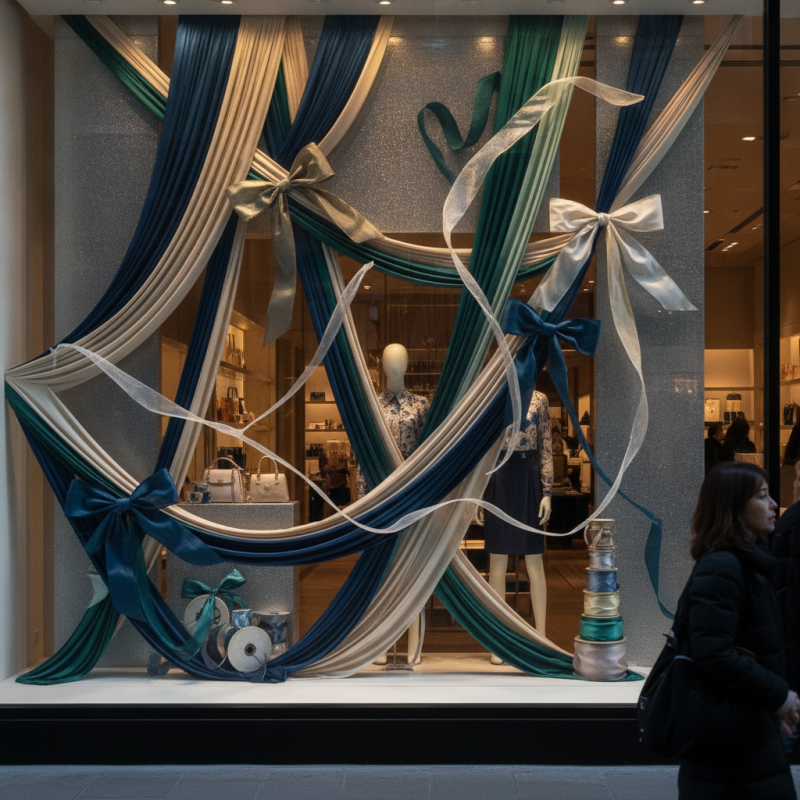
Window displays have a significant psychological impact on consumers. They serve as the first point of contact between a brand and potential buyers. A well-designed window can stop passersby in their tracks. Bright colors, unique shapes, and creative arrangements capture attention immediately. The sight of elegant ribbons can evoke feelings of nostalgia and joy, drawing people closer to explore more.
When viewers engage with a window display, their emotions are at play. Colors can trigger excitement or calmness, while lighting can emphasize certain products. Psychological studies show that consumers are more likely to enter a store if they feel a connection to the display. Personal experiences and memories can influence their desire to enter. However, if the concept is overly complex or chaotic, it may create confusion. This imbalance can lead to disengagement rather than curiosity.
Ribbons can enhance visual appeal, but their placement is crucial. Overusing them can overshadow the products. Think about balance. When used thoughtfully, ribbons become a motivational tool, inspiring purchases. Experimenting with different styles can yield surprising results. Observing customer reactions helps in refining future displays. The learning process is ongoing, and it's essential to adapt based on feedback.
| Aspect | Description | Psychological Impact | Tips for Implementation |
|---|---|---|---|
| Color Choice | Different colors evoke various emotions. | Warm colors attract and energize, while cool colors calm. | Use vibrant colors for exciting products, and pastel for calming items. |
| Lighting | Well-placed lighting highlights products. | Bright lighting can draw customers in, while soft lighting sets a mood. | Use spotlighting on key items and ambient lighting for overall appeal. |
| Arrangement | Strategic placement of items creates visual interest. | Effective arrangement encourages exploration and inspires purchasing. | Adhere to the rule of thirds for balanced displays. |
| Use of Textures | Ribbons and fabrics add depth to displays. | Textures can make displays more inviting. | Incorporate various ribbons to create layers and softness. |
| Seasonal Themes | Align displays with seasonal holidays or events. | Seasonal themes can stimulate emotional connections. | Refresh displays regularly to maintain interest. |
: Window displays are often the first contact with a brand. They can capture attention using bright colors and creative shapes.
Colors can trigger excitement or calmness. The right color choice can significantly enhance a viewer's emotional connection to a display.
An overly complex design can confuse viewers. This confusion can lead to disengagement rather than curiosity about the products.
Seasonal themes can influence purchasing behavior. Displays reflecting current trends can evoke emotions and create inviting atmospheres.
Regular updates are essential. Studies show that most consumers prefer fresh content over stale visuals to keep their interest alive.
Observing customer reactions provides valuable feedback. This feedback helps refine future displays and adapt strategies based on what works.
Analyzing sales data can reveal a display's effectiveness. Engaging displays may boost sales significantly, showing the importance of visual merchandising.
Retailers should focus on detail, color, and texture in their designs. Understanding customer feedback also guides improvements effectively.
Ribbons can add visual appeal but must be used thoughtfully. Overusing them may overshadow products, while balanced use can inspire purchases.
Knowing your audience is crucial. A theme that resonates with one group may alienate another, highlighting the need for flexibility in designs.
Creating a stunning window display with ribbons can significantly influence consumer behavior, making it essential to understand the psychological impact of such visual merchandising strategies. To effectively showcase ribbons, it is crucial to choose the right materials, colors, and styles that resonate with your target audience. Techniques for ribbon placement can enhance overall aesthetics and draw attention, while incorporating seasonal themes allows for a connection with current consumer trends.
Measuring the success of your window display is vital, and analyzing sales data post-implementation can provide insights into the effectiveness of your design choices. By mastering "how to create a professional window display with ribbons," retailers can elevate their visual merchandising efforts and drive increased foot traffic and sales.
