 Felicita Decor
Felicita Decor
Felicita Decor
Artificial flower arrangements bring beauty to any space. However, they can accumulate dust over time. This can diminish their aesthetic appeal. Knowing how to clean dusty artificial flower arrangements is essential for maintaining their charm. According to a report by the National Cleaning Institute, 30% of households struggle with dust accumulation. This highlights the need for effective cleaning strategies.
Cleaning artificial flowers requires a gentle approach. Many people overlook the need for regular maintenance. A study found that regular cleaning can improve indoor air quality. This is especially important for households with allergy sufferers. Dust is not just unsightly; it can also impact health. Therefore, understanding the correct techniques is vital.
Certain tools and methods can simplify the cleaning process. Using soft brushes or microfiber cloths ensures delicate handling. Spraying with a mild detergent solution can help. However, it's important to test any cleaner on a hidden area first. With the right procedures, you can revitalize your artificial arrangements easily. Embracing these practices not only enhances their appearance but also promotes a healthier environment.
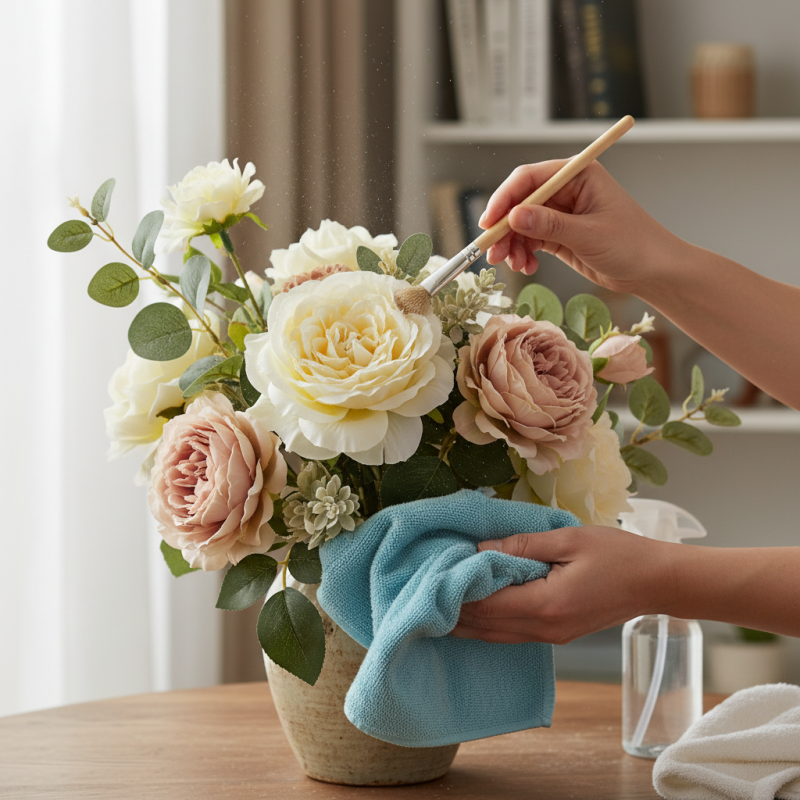
Artificial flower arrangements can enhance the beauty of any space. However, they often accumulate dust over time, diminishing their visual appeal. According to a study by the American Society of Interior Designers, over 70% of indoor air quality issues stem from dust and allergens. Cleaning these arrangements regularly not only keeps them looking fresh, but also contributes to a healthier environment.
To effectively remove dust, a soft, microfiber cloth is an ideal tool. Microfiber traps dust particles rather than spreading them around. Gently wiping the petals and leaves will help maintain their texture and vibrancy. For stubborn dust, a mixture of mild dish soap and water can be used. Dip a cloth into the solution, wring it out, and carefully wipe the flowers. This technique keeps the colors intact while ensuring thorough cleaning.
Some may overlook cleaning artificial flowers, assuming they're maintenance-free. However, neglect can lead to a buildup of grime and allergens. The Cleaning Industry Research Institute states that 80% of households report dust as a recurring problem. Reflecting on cleaning habits can lead to improvements. Addressing dust on artificial flowers is not just cosmetic; it’s essential for a comfortable space. This task may seem simple, but it requires diligence and attention to detail for the best results.
| Technique | Materials Required | Step-by-Step Guide | Frequency of Cleaning |
|---|---|---|---|
| Dusting with a Soft Cloth | Soft microfiber cloth | Gently wipe the flowers and leaves in a downward motion. | Every 1-2 weeks |
| Using a Hair Dryer | Hair dryer with a cool setting | Set the dryer on cool and blow air over the arrangement from a distance. | Monthly |
| Using a Vacuum Cleaner | Vacuum with a soft brush attachment | Gently run the vacuum attachment over the arrangement. | Every 2-3 months |
| Soaking in Water | Bucket of lukewarm water | Submerge artificial flowers briefly, rinse and let dry. | Every 6 months |
| Cleaning with a Brush | Soft bristle brush | Gently brush off dust from the petals and leaves. | Monthly |
: Regular cleaning is essential. It's best to clean them at least once a month to prevent dust buildup.
A soft microfiber cloth is ideal. It traps dust without spreading it around, keeping flowers looking fresh.
Yes, a mild dish soap mixed with water can effectively clean stubborn dust without damaging colors.
Neglect can lead to grime and allergens. This affects both the visual appeal and air quality in your home.
High humidity can make dust stick more prominently. Keeping humidity below 60% is helpful for minimizing buildup.
Some may leave residues that attract more dust. It's better to experiment with different cleaning methods for the best results.
While occasional fresh air can help, it may risk UV damage. Exercise caution with outdoor exposure.
Warmer areas increase air circulation, resulting in more dust settling on displays. Monitoring your room temperature is vital.
Yes, a soft brush or lint roller effectively removes surface dust while preserving the flowers' delicate textures.
Indoor dust can contain over 45 different allergens, including skin cells, pollen, and fabric fibers. Regular cleaning reduces this risk.
Cleaning dusty artificial flower arrangements is essential for maintaining their visual appeal and longevity. To effectively tackle dust, there are various techniques that can be employed, such as gently shaking the arrangement, using a soft brush, or employing a damp cloth for stubborn dust. Understanding the composition of artificial flowers helps in selecting the right cleaning methods, as different materials may require specific care.
Regular maintenance is crucial; it is recommended to clean these arrangements every few weeks, especially in environments prone to dust accumulation. Factors such as humidity, air quality, and location can greatly influence dust build-up on artificial flower displays. By considering these elements, one can ensure their arrangements remain vibrant and free from dust. Thus, for those wondering how to clean dusty artificial flower arrangements, these best practices will provide a solid foundation for preserving their beauty.
