Felicita Decor Felicita Decor

10 Essential Tools for Basic Wooden Craft Carving?

Time:2026-08-05 Author:Charlotte
0%

Crafting with wood can be a delightful and rewarding hobby. Many beginners ask, "What tools do I need for basic wooden craft carving?" The answer lies in understanding the essential tools that can enhance your experience.

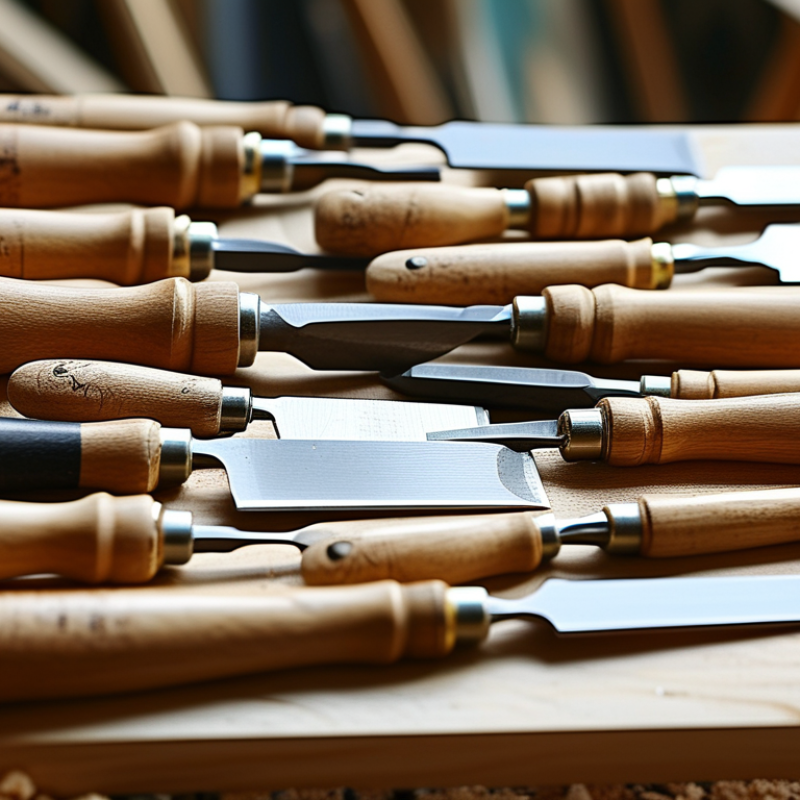
To start carving, you'll need a set of basic tools. A good carving knife is crucial. It offers precision for shaping wood. Additionally, a few chisels can tackle different cuts and grooves. Don't overlook safety gear either. Gloves and a strong workbench are essential for protection and stability.

As you gather your tools, reflect on your goals. Not every tool will be right for you. Experimentation is part of the process. Over time, you'll discover what suits your style. Remember, practice makes progress. Each piece you create teaches you something new. Enjoy the journey of wooden craft carving!
10 Essential Tools for Basic Wooden Craft Carving?

Essential Safety Gear for Wooden Craft Carving

When it comes to wooden craft carving, safety should always be your top priority. Proper safety gear can significantly reduce the risk of accidents. Wearing protective eyewear is essential. Flying wood chips can cause serious eye injuries. Use safety goggles that fit snugly and provide full coverage. These small details can save you from a lot of pain.

Gloves are another vital piece of safety equipment. They protect your hands from cuts and scrapes. However, choose gloves carefully. They should be snug but not too loose. Loose gloves can get caught in tools. A well-fitted glove can provide both safety and dexterity. Additionally, consider wearing a dust mask. Wood dust can irritate your lungs. A basic mask can filter out harmful particles.

Don’t overlook the importance of a first aid kit. Accidents can happen, even to seasoned carvers. Having bandages and antiseptic nearby helps you act quickly. Always check your tools before starting. Sharp tools are crucial, but they also require caution. Reflect on your work environment too. A clutter-free workspace reduces the risk of tripping or knocking over tools. Creating a safe carving area allows you to focus on your craft.

Types of Wood Recommended for Basic Carving Projects

When embarking on basic wood carving projects, selecting the right wood is crucial. Softwoods like pine, cedar, and basswood are popular choices for beginners. These woods are readily available and easy to carve. Pine, with its light color and texture, allows for fine details. Cedar is known for its pleasant aroma and resistance to decay. Basswood has a fine, even grain that makes it ideal for intricate designs.

In contrast, hardwoods such as oak and maple can be more challenging. They are denser, making them tougher on carving tools. However, the final result is often more durable. Depending on the project, choosing the right type of wood is about balancing ease and outcome. A beginner may find satisfaction in mastering skills on softer woods. Yet, experimenting with hardwoods can bring new challenges. Finding that sweet spot between comfort and difficulty leads to personal growth in the craft.

10 Essential Tools for Basic Wooden Craft Carving

Tool Name Description Recommended Wood Type Skill Level
Carving Knife A sharp knife for detailed carving. Basswood Beginner
Chisels Flat and angled chisels for wider cuts. Butternut Intermediate
Gouges Used for hollowing out wood. Maple Intermediate
V-tool Perfect for detailing and creating lines. Pine Beginner
Whittling Knife A small, versatile knife for general carving. Cedar Beginner
Sandpaper For smoothing surfaces and edges. All Types All Levels
Mallet Used to strike chisels without damaging them. Birch All Levels
Carving Gauge Helps measure and mark wood accurately. All Types All Levels
Knife Sharpener Keeps carving tools sharp and effective. All Types All Levels
Workbench A stable surface to work on. N/A All Levels

Overview of Basic Carving Tools and Their Functions

When starting with wooden craft carving, having the right tools is crucial. A basic carving kit typically includes several essential tools. Each tool serves a unique purpose, enhancing both the quality and experience of your carving project. First, a carving knife is fundamental. Its sharp blade allows for precise cuts and detailed shapes.

Chisels are another must-have. They come in various shapes and sizes, perfect for different types of cuts. Flat chisels create smooth surfaces. Veining chisels help in crafting intricate designs. Always keep chisels sharp for optimal performance. Dull tools can lead to frustration and uneven cuts.

Tips: Experiment with various tools on scrap wood first. This practice builds confidence and skill. Don't rush your projects; carving requires patience. Reflect on what works and what doesn’t. Mastering each tool takes time. Mistakes are part of the learning curve. Embrace them; they can lead to unexpected creativity.

A gouge is also key for rounded shapes. It removes wood in curves. This tool gives depth and dimension to your work. A mallet can be useful when using chisels, providing smooth power without excessive force. Knowing how to use each tool effectively can enhance your carving experience.

10 Essential Tools for Basic Wooden Craft Carving

Techniques for Effective Wood Carving and Finishing

Wood carving requires both skill and the right techniques for effective results. A recent survey by the Woodworking Institute found that 72% of woodworkers improved their skills through practice and learning from mistakes. This highlights the importance of hands-on experience in mastering carving techniques. Beginners often struggle with tools and settings, leading to frustration. However, this reflects a natural learning curve in woodworking.

Proper grip and tool control are crucial for precise carving. Maintaining a consistent angle during the process can enhance the overall finish. Research shows that uneven pressure contributes to a 40% higher rate of inaccurate cuts. Utilizing different chisels and gouges can create varied textures on the wood, adding depth to the artwork. Additionally, finishing techniques such as sanding and applying oils can dramatically change the appearance of the final piece. Regular practice allows carvers to refine these techniques, turning imperfections into unique elements of their art.

Finishing touches can be as complex as the carving itself. Knowledge about wood types and their reactions to stains and finishes is essential. A study from the Craftsmanship Quarterly indicates that 59% of seasoned woodworkers emphasize the importance of choosing the right finish for longevity. Experimentation with different techniques can lead to innovative results, as every carver finds their own style through trial and error. Embracing imperfections often leads to the most authentic expressions in woodwork.

Maintenance Tips for Wooden Craft Carving Tools

Wooden craft carving is a rewarding hobby. It requires the right tools and proper maintenance. Caring for your tools ensures they last longer and work effectively. Regular upkeep can prevent bigger issues.


Cleaning your tools after each use is vital. Remove any wood shavings and dust. Use a soft brush or cloth to wipe them down. This simple act helps prevent rust and damage. Additionally, apply a light coat of oil to the metal parts. It protects against moisture.


Sharpening your tools is equally important. Dull tools can lead to mistakes and frustration. Use a whetstone or honing guide regularly. This keeps your edges sharp and precise. Remember, a sharp tool is safer and enhances your carving experience. Don't overlook any signs of wear; they can lead to accidents. Maintaining a consistent routine with your tool care can save you time and effort in the long run.

FAQS

: What type of wood is best for beginners?

: Softwoods like pine, cedar, and basswood are ideal. They are easy to carve and readily available.

Why is wood selection important in carving?

The right wood affects carving ease and final result. It balances skill development and project outcomes.

What skills improve with wood carving practice?

Regular practice enhances tool handling and carving techniques. Learning from mistakes is crucial for growth.

How can I achieve precise cuts in wood?

Maintain proper grip, consistent angle, and even pressure. This reduces inaccuracies during the carving process.

What should I do to maintain carving tools?

Clean tools after use, applying oil to prevent rust. Regular care ensures longevity and effectiveness.

How often should I sharpen my tools?

Sharpening should be done regularly. Dull tools lead to mistakes and can be frustrating.

What is the impact of finishing techniques?

Finishing techniques like sanding can dramatically change the piece's appearance and overall quality.

How do wood types react to finishes?

Different woods react uniquely to stains and finishes. Experimentation helps find the best results.

Can imperfections enhance my woodwork?

Yes, embracing imperfections can lead to unique expressions in your projects.

What is the main challenge beginners face?

Beginners often struggle with tool settings and techniques, leading to potential frustration and learning opportunities.

Conclusion

When starting with basic wooden craft carving, it's essential to equip yourself with the right tools and knowledge to ensure a safe and enjoyable experience. First, make sure to wear proper safety gear, such as gloves and eye protection, to safeguard against injuries. The types of wood you choose can significantly impact your projects; softer woods like basswood are often recommended for beginners due to their ease of carving.

To answer the question, "What tools do I need for basic wooden craft carving?" you will require a set of essential carving tools, including a carving knife, gouges, and a whittling knife. Understanding the functions of these tools is crucial, as they each play a role in shaping the wood effectively. Additionally, mastering various carving techniques will enhance your skills, and regular maintenance of your tools will extend their lifespan, ensuring you can enjoy your crafting for years to come.

Charlotte

Charlotte

Charlotte is a seasoned marketing professional with a deep understanding of the company's portfolio and a passion for elevating its presence in the market. With a keen eye for detail and a commitment to excellence, she ensures that our professional blog is regularly updated with insightful articles......