Felicita Decor
Handmade wooden crafts have long captured the admiration of many. Yet, the price tag for these items often raises eyebrows. Why are handmade wooden crafts more expensive than plastic? This question goes beyond simple cost comparisons. It delves into craftsmanship, materials, and the essence of artistry.
Crafting wooden items requires skill and time. Each piece is unique, reflecting the artisan's labor. Unlike plastic, which can be mass-produced, wood demands attention and care. The sourcing of high-quality wood adds to the expense. Environmental sustainability concerns further influence material prices. Many consumers are drawn to these qualities, despite the higher cost.
Plastic crafts may be cheaper, but they often lack soul and character. They serve functional purposes but fail to evoke emotion. Handmade wooden crafts tell a story, and that story connects with buyers. This connection often justifies the premium price. The value of authenticity and individuality in craftsmanship is undeniable yet often overlooked.
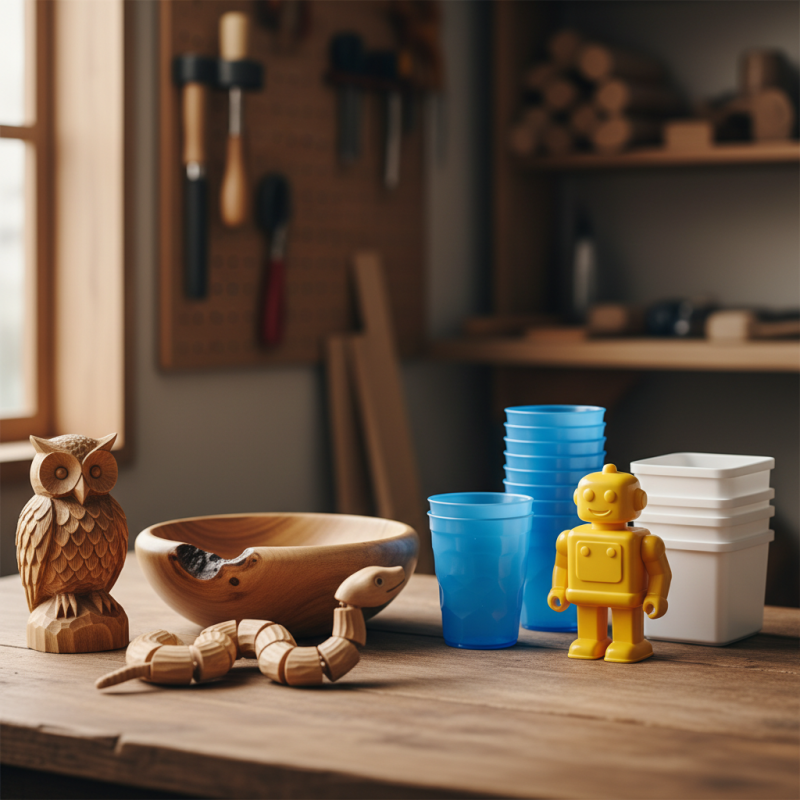
Crafting handmade wooden items involves a labor-intensive process. Artisans dedicate time and skill to select the right type of wood, ensuring durability and beauty. This careful selection impacts the final price, as quality materials are often more costly than plastic alternatives.
Moreover, the techniques used in creating these crafts are intricate. Each piece might involve unique designs that demand attention to detail and creativity. This craftsmanship stands in stark contrast to mass-produced plastic items, which can be churned out quickly and cheaply. Thus, the personal touch and artistry significantly affect the cost.
**Tip:** When buying handmade wooden crafts, look for local artisans. Supporting local talent often yields better quality and unique designs.
Handmade wooden crafts also reflect sustainability. Many artisans focus on eco-friendly practices, using responsibly sourced materials. This commitment to the environment can add to the cost while promoting responsible consumption.
**Tip:** Consider the lifespan of an item. Handmade wooden crafts can last generations, making them a worthwhile investment.
This chart illustrates the different cost factors that contribute to the higher price of handmade wooden crafts compared to plastic alternatives. The main influences include the quality of materials, labor intensity, craftsmanship, sustainability aspects, and overall durability.
Handmade wooden crafts often carry a higher price tag than plastic items, primarily due to the materials used. Quality wood provides natural beauty and warmth, which synthetic plastics simply cannot replicate. Each piece of wood has its own unique grain, giving every item a distinctive touch. On the other hand, plastic is mass-produced and lacks individuality. While it may be cheaper, it often sacrifices aesthetics for affordability.
When considering handmade wooden crafts, it’s essential to appreciate the craftsmanship involved. Skilled artisans spend hours perfecting each piece, ensuring durability and elegance. However, not every wooden item is crafted equally. Some manufacturers may use lower-quality woods, which compromise the final product. It's worth researching the source of the wood to ensure it's both sustainable and of high quality.
Tips for making informed purchases include checking for certifications that ensure responsible sourcing of wood. Look for items that highlight the type of wood used; this can give insights into durability and appearance. Additionally, don’t shy away from asking artisans about their process. Understanding the effort behind the craftsmanship can deepen your appreciation and justify the investment in a handmade wooden piece.
Handmade wooden crafts often carry a higher price tag than their plastic counterparts. This is largely due to the craftsmanship involved. Each piece of wooden art requires time, skill, and a deep understanding of the materials used. Artisans often spend hours, sometimes days, shaping, sanding, and finishing each item by hand. This meticulous process requires patience and precision.
Moreover, the skills involved in woodworking are not easily acquired. Many artisans undergo years of training, honing their abilities to create unique and intricate designs. Each handcrafted item tells a story. It reflects the artisan’s dedication and passion. This personal touch is something mass-produced plastic cannot replicate. However, this craft is not without its challenges. Mistakes can happen, and not every attempt results in a flawless finish. Some artisans may feel the pressure to produce at a faster rate. These hurdles can lead to imperfections, but they also serve as learning opportunities that enhance their artistry.
Finally, the choice of materials impacts both price and value. Wood is a natural, renewable resource, but not all wood is created equal. Higher-quality woods demand more care and expertise. Choosing sustainable sources requires research and responsibility, adding to the cost. Each wooden piece is not just a product; it embodies a mindful approach to crafting. This reflection on craftsmanship reveals the importance of valuing art that is made with intention and skill.
When considering sustainability, the impact of materials is crucial. Handmade wooden crafts, while often more expensive, have a lower environmental footprint than plastic. Wood is a natural resource, biodegradable, and can be sustainably sourced. It contributes to a balanced ecosystem when harvested responsibly. In contrast, plastic is derived from fossil fuels and contributes heavily to pollution and waste.
Tips: Choose sustainable wood products. Look for certifications that indicate responsible sourcing. This way, you support eco-friendly practices.
However, wood requires more craftsmanship. Each piece might take longer to create. The skill involved differentiates wood from easily manufactured plastic items. This craftsmanship adds to its cost but also enhances its value. Some might question if the price justifies these factors.
Tips: Consider the longevity of materials. Handmade wooden crafts often outlast plastic goods. Investing in durable items can save money and reduce waste over time. It’s worth reflecting on what you value in craftsmanship and sustainability.
| Dimension | Wooden Crafts | Plastic Crafts |
|---|---|---|
| Material Cost | Higher | Lower |
| Durability | Long-lasting | Less durable |
| Production Time | Time-consuming | Quick to produce |
| Eco-Friendliness | Biodegradable | Non-biodegradable |
| Aesthetic Value | Unique | Uniform |
| Market Demand | High | Variable |
In recent years, the demand for handmade wooden crafts has surged, driven by consumers seeking authenticity. According to the Craft Industry Alliance, the handmade market is growing and reached $44 billion in 2022. Many buyers are willing to pay higher prices for unique items made with care. Handmade woods offer character that mass-produced plastic simply cannot match.
Environmental concerns also play a significant role. Reports show that 73% of consumers prefer sustainable materials. Many wooden crafts are made from reclaimed wood or sourced from sustainable forests. This resonates with a conscious audience increasingly focused on eco-friendly choices. Meanwhile, plastic industries continue to face criticism for environmental impact and pollution.
Quality and craftsmanship add to the value. Each piece is often unique, bearing the artisan's touch. While this may lead to occasional imperfections, it reinforces a sense of individuality. Consumers are embracing these flaws as part of the charm. However, the handmade market must navigate challenges with scalability and pricing pressures. The journey of establishing a reliable balance remains a topic for ongoing discussion.
: The cost is mainly due to the quality of materials used. Quality wood is naturally beautiful and durable.
Prices are influenced by the wood selection, craftsmanship, and unique designs of each piece. Each detail counts.
Crafting involves time, skill, and attention. Artisans may spend hours on one piece, reflecting their dedication.
Look for local artisans and ask about their materials. Understanding their process adds value to your purchase.
Many artisans use responsibly sourced materials, promoting sustainability. This can slightly increase the cost but is worth it.
Research the wood type. Check for certifications and ask artisans about their sourcing practices for assurance.
Imperfections can be part of handmade crafts. Embrace these as stories of the artisan’s journey and growth.
These crafts can endure generations with proper care, making them a valuable investment compared to cheaper items.
The question "Why are handmade wooden crafts more expensive than plastic" can be attributed to several key factors. First, the materials used in wooden crafts often consist of high-quality wood, which tends to be more costly than synthetic plastics. The selection of premium wood not only enhances the aesthetic appeal but also contributes to durability. Additionally, the craftsmanship involved in creating handmade wooden items demands significant time and skill, resulting in higher labor costs that reflect the artisan's expertise.
Moreover, sustainability plays a crucial role in influencing price. Wooden products, when sourced responsibly, offer a more eco-friendly alternative to plastic, appealing to environmentally conscious consumers. Finally, there is a growing market demand for handmade goods, which are cherished for their uniqueness and authenticity compared to mass-produced plastic items. This blend of quality materials, skilled craftsmanship, sustainability, and market appeal collectively explains why handmade wooden crafts often come with a higher price tag.
