Felicita Decor
Artificial trees can enhance any space but will sometimes suffer from damage. One common issue is a broken branch, which can detract from their aesthetic appeal. If you are wondering how to fix a broken branch on an artificial tree, you are not alone. Many people face this challenge and seek effective solutions.
Repairing a broken branch may seem daunting, but it is a manageable task. Start by assessing the damage carefully. Identify the break point and gather your necessary supplies. You can use glue or tape to reattach parts. In some cases, replacing the branch is the best option. It’s essential to choose a suitable replacement to maintain the tree’s overall look.
Remember that imperfections can add character. A hasty repair can lead to visible flaws. Take your time and ensure a reliable fix. Your effort will pay off in the long run. Understanding how to fix a broken branch on an artificial tree can be rewarding, providing you with a sense of accomplishment. Enjoy the process, and don’t hesitate to seek help if needed.
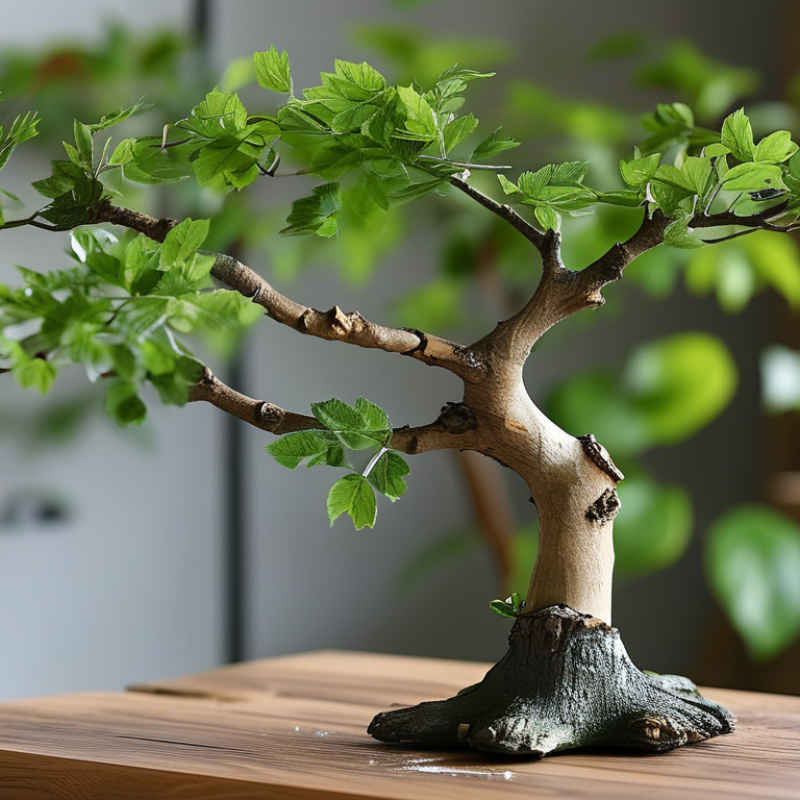
Artificial trees are a unique blend of materials, designed to resemble real flora. The structure typically includes a trunk made of sturdy plastic or metal. Branches are often crafted from flexible wires covered in fabric or plastic foliage. This combination allows for realistic appearances while providing durability.
When a branch breaks, understanding its construction is key to a proper repair. Often, the branch has internal wiring that allows for bending. If the outer layer is damaged, it may require some creative solutions. You might need to use glue or tape to secure the outer covering while reinforcing the internal wire. The process can be frustrating, especially when ensuring the repair matches the original look. It’s important to take your time and assess each component carefully.
Evaluating the overall structure can reveal additional issues. Sometimes, the entire arrangement may tilt or lose balance due to one damaged section. Addressing these concerns early can save time later. Noticing imperfections in this process is natural. Embrace the learning journey as you navigate the intricacies of artificial tree maintenance.
Artificial trees bring beauty to any setting. However, they are not immune to issues. Broken branches are a common problem. Understanding the reasons behind branch breakage can help in proper maintenance.
One significant cause of branch breakage is improper placement. Trees exposed to strong winds or excessive sunlight may suffer damage. A study found that 30% of artificial tree damage occurs during severe weather events. The weight of branches also plays a role. Fragile materials can struggle under their own weight. Over time, this can lead to structural failures.
Another reason is lack of care. Regular cleaning can prevent dirt buildup, which adds weight. Additionally, maintenance helps to identify stress points. Inadequate handling can cause cracks or breaks too. A report from the industry indicates that more than 25% of user-reported issues are due to mishandling during setup or relocation.
When faced with broken branches, it’s essential to assess the damage carefully. A thorough examination might reveal underlying issues. This reflective process can help prevent future problems. Taking the time to understand these factors enhances the longevity of artificial trees.
Repairing a broken branch on an artificial tree can seem daunting. However, it's a common issue that many face. According to industry reports, over 40% of artificial tree owners experience branch damage within five years of purchase. This highlights the importance of knowing how to maintain and repair these decorative pieces.
Begin by assessing the damage. Determine if the branch can be reattached or if it needs complete replacement. For minor breaks, use a strong adhesive specifically designed for plastic materials. Apply it generously, ensuring the bond is secure. Hold the branch in place for several minutes until it begins to set. This step may require patience, as rushing can lead to poor adhesion.
For larger breaks, consider using wire to reinforce the structure. Carefully thread the wire through the branch and the trunk, securing it tightly. Wrap it in floral tape to conceal the repair and blend it with the surrounding foliage. This method not only enhances stability but also revitalizes the aesthetic. Be mindful that improper repairs may lead to further damage. Reflect on your findings after each attempt to improve your technique and understanding of artificial tree maintenance.
Repairing a broken branch on an artificial tree requires specific tools and materials to ensure a successful restoration. Commonly needed items include strong adhesive glue, wire cutters, and a replacement branch if necessary. A pair of pliers can help mold the branches back into shape. You may also need paint to match the color of the original tree. Having these tools ready will streamline the repair process.
Tips: When using adhesive, apply a small amount first. Too much glue can leave unsightly residue. If you have a patch that is too visible, mixing paint can help blend it in better. Don't rush through this process. Take your time to shape the branch as closely as possible to the original look.
Remember, it's okay if the repair isn’t perfect. Artificial trees can show signs of wear, adding character to your decoration. For safety, always wear gloves when handling tools. This practice minimizes risk while enhancing the overall appearance of your tree. Adjusting a branch may require multiple attempts. Keep experimenting with shapes until you find one that suits your taste.
| Tool/Material | Purpose | Usage Instructions | Estimated Cost |
|---|---|---|---|
| Hot Glue Gun | To bond broken branch segments | Apply glue to the broken ends and press together until set. | $15 |
| Silicone Adhesive | Flexible bonding for plastic branches | Apply along the fracture lines and allow to cure as per instructions. | $8 |
| Wire Cutters | To trim and shape the branches | Use to cut excess material and reshape broken areas. | $10 |
| Floral Tape | To wrap and stabilize repairs | Wrap around the repaired joint for additional support. | $5 |
| Paint (Acrylic) | To touch up color after repair | Apply to the repaired area to match the branch color. | $6 |
Artificial trees can enhance any space, but broken branches are a common issue. To prevent future damage, regular maintenance is essential. Start by examining your tree for weak spots. Look for branches that have lost their shape or show signs of wear. These areas are more likely to break. Reinforce them with supports if necessary.
Cleaning the tree regularly is another way to maintain its integrity. Dust, dirt, and debris can accumulate, making branches heavy. Use a soft cloth or vacuum with an attachment to remove these particles. This not only keeps the tree looking fresh but also reduces stress on fragile branches.
Consider the environment where your artificial tree is placed. Avoid direct sunlight, as UV rays can deteriorate materials over time. Also, be mindful of the temperature. Extreme conditions can lead to brittleness. Even a well-cared-for tree may have moments of wear and tear. A reflective approach to maintenance can save you time and effort in the long run.
: Artificial trees usually consist of a sturdy plastic or metal trunk and flexible wire branches covered in fabric or plastic.
Assess the damage carefully. Use glue or tape to repair the outer layer and reinforce the internal wire as needed.
Common causes include improper placement, exposure to severe weather, and the weight of branches. Lack of care also contributes.
Regular cleaning helps to prevent dirt buildup. Assessing stress points and ensuring proper placement can also make a difference.
Essential tools include strong adhesive glue, wire cutters, pliers, and possibly a replacement branch or paint for touch-ups.
Take your time. Apply small amounts of glue first and mold branches carefully to resemble the original look as closely as possible.
Yes, imperfections can add character to your tree. Embrace the learning process and the wear that comes with use.
Evaluate the overall structure and address any damaged sections early. This helps maintain balance and stability of the arrangement.
In the article "How to Repair a Broken Branch on an Artificial Tree?", we explore the essential aspects of understanding artificial tree structures and the common causes of branch breakage. Recognizing factors such as wear and tear or improper handling is crucial for prevention. When addressing the question of how to fix a broken branch on an artificial tree, a detailed step-by-step guide is provided. It outlines the necessary tools and materials needed for effective repairs, ensuring that the restoration process is both straightforward and efficient.
Additionally, the article emphasizes the importance of regular maintenance to extend the lifespan of artificial tree branches. By implementing these care tips, owners can mitigate future damage and maintain the aesthetic appeal of their artificial trees. This comprehensive guide serves as a valuable resource for anyone looking to uphold the integrity of their artificial greenery.
