Felicita Decor Felicita Decor

Why Choose Reusable Fabric Gift Bags Over Paper Options?

Time:2026-05-05 Author:Mason
0%

In recent years, the conversation around sustainable gifting practices has intensified. More consumers are asking, "Why use reusable fabric gift bags instead of paper?" Experts point out that traditional paper bags contribute significantly to deforestation and waste. The Environmental Paper Network highlights that over 60% of paper products end up in landfills, generating harmful emissions.

According to sustainability expert Dr. Sarah Green, "Switching to fabric gift bags reduces our carbon footprint and promotes a circular economy." These reusable bags are made from eco-friendly materials, offering longevity that paper simply cannot match. On average, a fabric gift bag can be reused over 100 times, while a paper bag may only survive a few uses. This shift not only conserves resources but also elevates the gifting experience.

As we reflect on our choices, it's clear that reusable fabric bags offer practical advantages. They blend aesthetics and functionality, allowing for personal expression. However, there is a challenge in changing consumer mindsets. Many still view paper as the go-to option. Addressing this perception is essential to promote sustainable practices in the gifting industry.
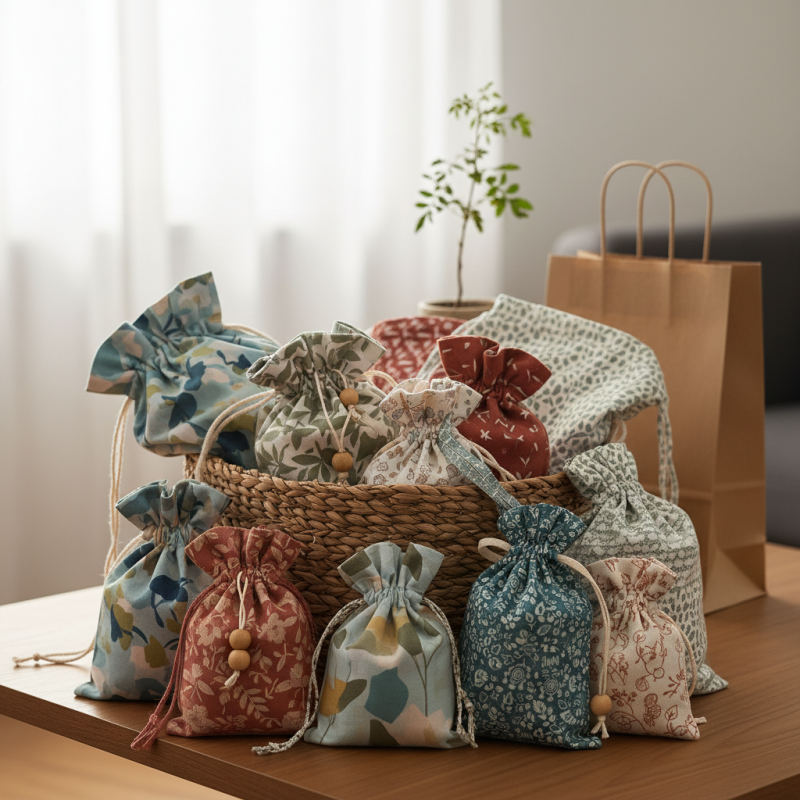
Why Choose Reusable Fabric Gift Bags Over Paper Options?

Benefits of Reusable Fabric Gift Bags for the Environment

Reusable fabric gift bags are becoming popular for many reasons. They are not only practical but also eco-friendly. Unlike traditional paper bags, fabric bags can be used multiple times. This significantly reduces waste and the need for new resources. When you give a gift in a fabric bag, it can become part of the experience. The recipient can reuse it for other occasions, further minimizing environmental impact.

Another key benefit is that fabric bags are often made from sustainable materials. Cotton, jute, and other natural fibers are common choices. These materials require less energy to produce compared to paper, which involves cutting down trees and a lengthy manufacturing process. However, producing fabric bags still has an environmental footprint. Consumers should be mindful of the source and production practices of the fabric they choose.

Some may argue that fabric bags can be more expensive upfront than paper options. While this may be true, the long-term benefits outweigh initial costs. Investing in quality fabric bags promotes a sustainable lifestyle. It encourages individuals to think critically about their consumption patterns. Each bag used is a step toward reducing overall waste, fostering a more thoughtful approach to gifting.

Cost-Effectiveness of Using Fabric Bags Compared to Paper Bags

Reusable fabric gift bags present an appealing, cost-effective choice over traditional paper options. While paper bags may seem cheaper initially, their durability and utility often fall short. A fabric bag can be used repeatedly for various occasions. This longevity means that the initial investment pays off quickly. After multiple uses, fabric bags prove far more affordable in the long run.

Including fabric bags in your gifting routine helps save money. If you give gifts often, consider how many bags you discard each year. Each time you buy a new paper bag, costs add up. Switching to fabric means fewer purchases and less waste. This shift can positively impact your budget and the environment. Moreover, the quality and aesthetics of fabric bags often surpass that of paper options.

Tip: Always keep a few fabric bags in your car or by your front door. This way, you’ll have them handy for those last-minute gifts.

Tip: Look for bags that feature interesting designs or colors. This adds a personal touch and makes them reusable for various gifts.

Investing in reusable fabric bags can be a small change that leads to significant savings. Reflect on your choices. Explore sustainable options that truly benefit your financial and environmental goals.

Durability and Longevity of Fabric Bags Over Traditional Paper Options

Reusable fabric gift bags are a practical alternative to traditional paper options, especially when considering durability. Paper bags tear easily and wear out quickly. In contrast, fabric bags can withstand multiple uses. They resist rips and are more resilient to the rigors of everyday handling. This longevity means that over time, fabric bags can reduce waste significantly. They stand up to the test of time, making them a smarter investment.

Storage is another aspect where fabric bags shine. When not in use, they can be folded or rolled without taking up much space. Paper bags become crumpled and lose their shape, which limits their reusability. The vibrant designs on fabric bags are often more enduring as well, keeping their appearance even after many washes. While fabric bags can be more expensive upfront, their durability makes them cost-effective in the long run.

It’s worth noting that not all fabric bags are created equal. Some may fray or fade requiring thoughtful selection. Furthermore, the environmental impact of both options should be considered. Making a conscious choice about the materials used in fabric bags is essential. Reflecting on the sustainability of your gift-wrapping practices can lead to better decisions for both your wallet and the planet.

Why Choose Reusable Fabric Gift Bags Over Paper Options?

Aesthetic Appeal and Customization Options for Fabric Gift Bags

Reusable fabric gift bags stand out for their aesthetic appeal and customization options. Research indicates that approximately 67% of consumers prefer gifts that showcase personal touches. Fabric bags can be tailored to fit themes, colors, or events, enhancing their visual charm. The texture of fabric adds depth, making the gift feel more luxurious. Visual appearance matters significantly in gift-giving culture, as 55% of people believe presentation affects their overall impression.

Customization doesn't stop at colors. Printing options on fabric bags allow you to add messages or artwork. About 70% of surveyed consumers indicate they are more likely to buy gifts that feature unique designs. This versatility speaks to a growing trend where consumers seek individuality in their purchases. However, the balance between personalization and production quality is sensitive. Poor printing techniques can diminish appeal and lead to disappointment.

Moreover, fabric gift bags promote sustainability alongside style. Reports show that around 40% of consumers are willing to pay more for eco-friendly options. However, not all fabric types are equal in terms of environmental impact. Constantly evaluating how these materials influence sustainability could enhance both branding and consumer satisfaction. The landscape is complex, but the opportunity to create a niche with exquisite, custom-designed gift bags is immense.

Convenience and Versatility of Reusable Fabric Bags in Gifting

Reusable fabric gift bags offer convenience and versatility that paper alternatives struggle to match. According to a report from the Environmental Protection Agency, the average American uses approximately 700 paper bags annually. This is not only wasteful but contributes to deforestation, as about 24 million trees are cut down each year for paper bag production. In contrast, reusable fabric bags can last for years, reducing both waste and resource consumption.

Fabric bags also provide adaptability in gifting scenarios. Their sturdiness allows for multiple uses beyond gifting. Studies show that 63% of consumers prefer bags that can be repurposed. This makes fabric bags not only eco-friendly but also financially savvy. However, some users might notice that the initial investment in fabric bags can be higher than paper ones. It requires planning and a habit change to adopt this sustainable choice fully.

Additionally, fabric bags come in a variety of sizes and designs, enhancing the gifting experience. Whether for birthdays, holidays, or everyday exchanges, these bags can be customized to fit any occasion. Still, some may find it cumbersome to store and transport multiple fabric bags. Educating oneself on storage solutions could be beneficial for maximizing their potential.

FAQS

: What are the environmental benefits of reusable fabric gift bags?

: Reusable fabric bags significantly reduce waste by being used multiple times, minimizing the need for new resources.

How do fabric bags compare in terms of production energy?

Fabric bags often require less energy to produce than paper bags, which involve tree cutting and a lengthy process.

Are fabric bags more expensive than traditional paper bags?

Yes, fabric bags may have higher upfront costs, but they offer long-term benefits that can outweigh these costs.

How durable are fabric bags compared to paper bags?

Fabric bags are much more durable, resisting rips and wear, making them last longer than traditional paper options.

Can fabric bags be easily stored?

Yes, fabric bags can be folded or rolled for storage, taking up less space than crumpled paper bags.

Why is it important to consider the source of fabric bags?

The production practices and materials of fabric bags can still have an environmental footprint that requires thoughtful selection.

What makes fabric gift bags a better investment?

Their durability and reusability lead to a reduction in overall waste, promoting a more sustainable lifestyle.

Do fabric bags retain their appearance over time?

Yes, fabric bags often maintain vibrant designs and appearance even after multiple washes.

Are all fabric bags created equally?

No, some fabric bags may fray or fade, which emphasizes the need for careful selection.

How can consumers reflect on their gifting practices?

By considering the sustainability and reusability of gift bags, consumers can make better choices for both their wallets and the planet.

Conclusion

When considering gift wrapping options, many people wonder, "Why use reusable fabric gift bags instead of paper?" The answer lies in their numerous benefits. Reusable fabric gift bags are environmentally friendly, reducing waste compared to single-use paper bags. They are cost-effective in the long run, as they can be used repeatedly, unlike paper options that often end up in the trash after one use. Additionally, fabric bags offer durability and longevity, ensuring that they withstand various gifting occasions without tearing or losing their appeal.

Moreover, these bags come in a range of aesthetic designs and customization options, allowing for a personal touch that enhances the gifting experience. Their convenience and versatility make them suitable for any occasion, from birthdays to holidays, making them a favorite choice for eco-conscious consumers. By choosing reusable fabric gift bags, individuals can make a thoughtful decision for both their gifting needs and the planet.

Mason

Mason

Mason is a seasoned marketing professional with a deep expertise in the company's offerings and a passion for driving brand awareness. With a strong background in digital marketing strategies, he has an innate ability to connect with diverse audiences and effectively communicate product benefits.......