Felicita Decor Felicita Decor

China Top 10 Most Durable Outdoor Ribbon Materials?

Time:2026-10-09 Author:Aria
0%

China’s outdoor ribbon industry is moving beyond appearance. Buyers now expect stable color, strong edges, and reliable performance under rain, sunlight, and repeated handling. The practical question is clear: What are the most durable materials for outdoor ribbons?

Industry evidence helps narrow the field. Smithers’ technical-textiles research identifies weather resistance, tensile strength, and coating performance as important growth drivers. Grand View Research also reports continuing expansion in global technical textiles, supported by demand for high-performance synthetic fibers. These findings support closer attention to polyester, solution-dyed acrylic, polypropylene, nylon, and coated webbing.

Textile engineer Dr. Seshadri Ramkumar describes technical textiles as “engineered products, not just fabrics.” His point matters here. A ribbon’s durability depends on fiber selection, weave density, dye method, coating, and edge construction. Material names alone can mislead.

A ranking can still oversimplify.

For example, solution-dyed polyester may retain color beside a sunny warehouse entrance, while untreated cotton fades quickly. Acrylic can perform well in prolonged sunlight, but abrasion may expose weaknesses at folded edges. Polypropylene resists moisture, yet heat and tension require careful testing. Nylon offers excellent strength, although ultraviolet exposure can reduce its long-term performance.

This guide examines China’s ten most durable outdoor ribbon materials through measurable criteria. These include tensile strength, UV stability, water resistance, abrasion behavior, temperature tolerance, and manufacturing consistency. Tests should follow recognized methods, including ASTM textile testing and ISO colorfastness procedures. No material wins every condition. The best choice depends on exposure, load, finish, and expected service life.
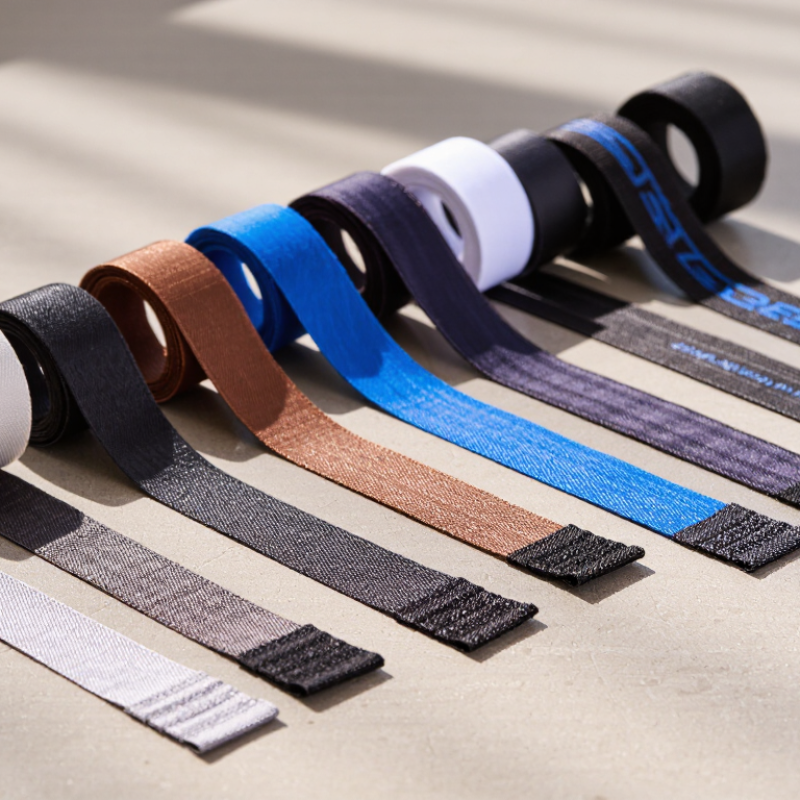
China Top 10 Most Durable Outdoor Ribbon Materials?

What Makes an Outdoor Ribbon Material Durable in China?

China’s most durable outdoor ribbon materials include solution-dyed polyester, filament polyester, recycled polyester, nylon 6, nylon 6,6, polypropylene, acrylic, olefin, PVC-coated polyester, and tightly woven cotton blends. Durability depends on exposure, not popularity. Textile Exchange’s Materials Market Report 2024 estimated global fiber production at 124 million tonnes in 2023. Polyester represented about 57% of that volume, showing its industrial scale and broad performance use.

Outdoor ribbon faces sunlight, rain, abrasion, pollution, and repeated bending. Solution-dyed polyester usually performs well because pigment enters the polymer before extrusion. This improves color retention after prolonged exposure. Nylon offers excellent tensile strength, but moisture and ultraviolet radiation can reduce performance without stabilizers. Polypropylene absorbs very little water. However, it may creep under sustained tension. Acrylic resists sunlight effectively, yet it can feel less crisp during tight weaving. Cotton feels natural, but it retains moisture and may mildew in humid storage.

Testing must match the application. ISO 105-B02 evaluates color fastness to artificial light, while ASTM G154 examines accelerated ultraviolet exposure. A durable specification should also include tensile strength, seam slippage, abrasion, and wet-dry cycling. Recycled content deserves scrutiny. Textile Exchange reports that recycled fibers remain a minority of global production, and recycled polyester quality can vary by feedstock and processing. There is no perfect material. A ribbon surviving one summer may still fail at its folded edge. Small-scale field trials in China’s climate zones often reveal problems that laboratory screens miss.

Top 10 Outdoor Ribbon Materials Ranked by Weather Resistance

Outdoor ribbon performance depends on ultraviolet exposure, rain, salt, abrasion, and drying time. This practical ranking emphasizes weather resistance, not softness or appearance. The order can change under severe coastal conditions.

1. PTFE ribbon offers exceptional UV and chemical stability.

2. Fluoropolymer-coated polyester resists sunlight and moisture well.

3. Solution-dyed acrylic keeps color longer than surface-dyed fibers.

4. PVC-coated polyester handles rain, friction, and repeated outdoor use.

5. Solution-dyed polyester provides strong tensile performance and good color retention.

6. Polypropylene absorbs very little water, but sunlight gradually weakens it.

7. Nylon is strong, though continuous UV exposure can reduce strength.

8. Polyurethane-coated fabric performs well until coating cracks or peels.

9. Cotton canvas feels natural but absorbs water and may mildew.

10. Rayon ranks last because moisture and sunlight can quickly damage its structure.

Textile Exchange’s 2024 Materials Market Report states that polyester represented about 59% of global fiber production in 2023. That scale supports its availability, but volume does not prove outdoor durability. Field selection still matters. The U.S. National Weather Service classifies UV Index readings of 8 to 10 as very high, where unprotected materials may fade faster. ASTM G154 testing uses repeated ultraviolet exposure and condensation cycles, helping buyers compare samples under controlled conditions. AATCC colorfastness testing adds useful evidence, although laboratory results rarely match every roof, garden, or marine environment. Salt spray is especially unforgiving. Test the actual ribbon before approving a large order.

Key Performance Differences Among the Ten Ribbon Materials

China’s ten most durable outdoor ribbon materials differ sharply under sunlight, rain, friction, and temperature changes. Polyester offers strong UV resistance, low moisture absorption, and stable color. Nylon feels softer and resists abrasion well, but it can absorb water and lose strength when wet. Polypropylene is lightweight and highly water-resistant. It suits banners, garden ties, and temporary outdoor fixtures.

Acrylic performs well in prolonged sunlight and keeps a wool-like appearance. It usually costs more than polypropylene. Polyethylene ribbons resist moisture and many chemicals, but their heat tolerance is limited. Polyurethane-coated webbing adds flexibility and water protection, although the coating may crack after repeated folding. Cotton feels natural and handles heat reasonably well. However, it dries slowly and may develop mildew in humid storage. Rayon has attractive color depth, yet it is generally weaker outdoors. Hemp provides useful texture, but uneven fibers can affect edge stability.

A simple ranking is misleading. Not every test agrees. In practical sampling, polyester often gives the best balance for long-term outdoor use. Nylon may be better where repeated rubbing matters more than wet exposure. Metallic-film ribbon can reflect sunlight beautifully, but its surface may peel or crease. Testing should include 500 hours of UV exposure, wet-dry cycles, edge fraying, and repeated bending. Check the base fiber and coating separately. One overlooked weakness can decide the result.

How to Choose the Right Ribbon for Outdoor Applications

China Top 10 Most Durable Outdoor Ribbon Materials?

Choosing the right ribbon for outdoor use starts with exposure, not appearance. I compare polyester, polypropylene, nylon, acrylic, polyethylene, olefin, PVC-coated polyester, TPU-coated webbing, aramid, and recycled PET. Polyester is often the safest all-round choice. It resists sunlight, rain, abrasion, and moderate heat. Acrylic keeps color well under strong ultraviolet light. Polypropylene absorbs very little water, but untreated grades can weaken in sunlight. Nylon offers excellent strength, although it absorbs moisture and may lose performance outdoors.

Think about the exact setting. A garden sign needs UV stability and colorfastness. A tent tie requires tensile strength and flexible edges. Near the coast, salt spray can expose weak coatings quickly. For frequent washing, choose a tight weave with low water absorption. Check thickness, edge sealing, stitching, and tested breaking strength. A ribbon that feels strong by hand may still fail after months of heat and rain.

I once chose nylon for a sunny outdoor display because it felt exceptionally tough. It stretched more than expected after several wet days. That was my mistake. Now I test a small sample first. I leave it outdoors, bend it repeatedly, and inspect fading, fraying, stiffness, and coating cracks. Ask for UV and weathering data when available. Results vary by dye, weave, finish, and supplier process. No material wins every application. Even a durable ribbon needs suitable width, attachment points, and realistic load limits.

Care, Testing, and Service Life of Outdoor Ribbons

Outdoor ribbon durability depends on more than fiber choice. Solution-dyed polyester usually resists sunlight, moisture, and repeated handling well. Acrylic offers strong color retention but may feel less firm. Nylon has excellent strength, yet prolonged ultraviolet exposure can weaken it. Polypropylene absorbs little water and dries quickly, although heat can reduce its stability. Coated polyester suits demanding applications, but damaged coatings may trap moisture.

Care begins with simple habits. Remove dust with a soft brush and rinse salt or dirt with clean water. Use mild soap when necessary. Avoid strong bleach, abrasive pads, and high-heat drying. Store ribbons loosely rolled in a dry, shaded area. Never pack them while damp. Small stains are easy to ignore, but they often become permanent after months outdoors.

Testing should reflect the real installation. Check tensile strength before exposure, then repeat it after ultraviolet, rain, abrasion, and temperature-cycle testing. Inspect frayed edges, color fading, stiffness, and coating cracks. Service life varies widely. A shaded banner may last several years, while a rooftop ribbon may deteriorate within one season. That difference matters. Laboratory results cannot fully reproduce wind, pollution, or careless handling. A field inspection every few months is more reliable than relying on a printed lifespan. Some material choices look durable on paper, but real weather can expose weak stitching or poor edge finishing.

China Top 10 Most Durable Outdoor Ribbon Materials

Typical outdoor service life under continuous exposure, with proper care and suitable construction

Solution-dyed acrylic, PTFE-coated fiberglass, and PVC-coated polyester generally provide the strongest combination of UV resistance, moisture tolerance, and dimensional stability. The figures show typical service-life estimates in years rather than guaranteed lifetimes. Actual performance depends on sunlight intensity, pollution, abrasion, washing, tension, and edge finishing. Regular cleaning and correct storage can extend usable life.

FAQS

Which ribbon material is usually best for long-term outdoor use?

Solution-dyed polyester often provides the best balance of sunlight resistance, color retention, and low moisture absorption. It is not perfect.

Why does solution-dyed polyester keep its color longer?

Its pigment enters the polymer before the fibers form. Sunlight must penetrate deeper before fading occurs. This helps after long outdoor exposure.

Is nylon suitable for outdoor ribbons?

Nylon offers strong tensile performance and excellent abrasion resistance. However, moisture and ultraviolet exposure can reduce its strength. Stabilizers may improve performance.

When is polypropylene a practical choice?

Polypropylene absorbs very little water and remains lightweight. It suits garden ties, banners, and temporary outdoor fixtures. Long-term tension may cause creep.

Can cotton ribbon be used outdoors?

Cotton feels natural and handles heat reasonably well. It retains moisture and dries slowly. Humid storage may encourage mildew.

What should outdoor ribbon testing include?

Testing should examine sunlight, tensile strength, abrasion, seam slippage, and wet-dry cycling. Repeated bending matters too. A folded edge may fail first.

Is recycled polyester always as durable as regular polyester?

No. Its performance depends on the recycled feedstock and manufacturing process. Samples should be tested rather than judged by the recycled label alone. That assumption can be careless.

How can buyers compare outdoor ribbon materials realistically?

Use small field trials across different Chinese climate zones. Check color after sunlight, edge fraying, wet recovery, and coating cracks. Laboratory results can miss ordinary outdoor problems.

Do coatings always improve ribbon durability?

A polyurethane coating can add flexibility and water protection. Repeated folding may still crack the coating. Check the coating separately from the base fiber.

Conclusion

Choosing a durable outdoor ribbon begins with understanding its resistance to sunlight, rain, humidity, temperature changes, abrasion, and chemicals. What are the most durable materials for outdoor ribbons? In general, solution-dyed polyester, acrylic, polypropylene, nylon, vinyl-coated textiles, and specialized outdoor blends offer strong performance, but each material has different advantages. Polyester and acrylic usually provide excellent color retention and weather resistance, while polypropylene is lightweight and moisture resistant. Nylon offers high strength but may require additional protection against prolonged UV exposure. Coated and blended materials can improve waterproofing, flexibility, or dimensional stability.

The best ribbon depends on the application, climate, exposure time, required appearance, and budget. Outdoor ribbons should be tested for tensile strength, color fading, water resistance, fraying, and temperature performance before large-scale use. Proper storage, gentle cleaning, and protection from unnecessary chemical contact can extend service life. By comparing material properties and maintenance needs, users can select a ribbon that remains attractive, functional, and reliable in demanding outdoor conditions.

Aria

Aria

Aria is a dedicated marketing professional with a deep passion for innovative strategies and a keen understanding of our company's product offerings. With a wealth of experience in the industry, Aria excels at crafting engaging content that highlights the unique features and benefits of our......