Felicita Decor
Creating a professional bow with satin ribbons can elevate your gift presentation, fashion accessories, and décor. Renowned ribbon expert, Emily Carter, states, “The perfect bow can transform any ordinary item into a masterpiece.” Mastering the skill of "How to tie a professional bow with satin ribbons" is essential for anyone in the crafting or gifting industry.
To achieve that flawless finish, it’s important to understand both technique and the right materials. Start with high-quality satin ribbons. The sheen of satin enhances the bow’s appearance, capturing light beautifully. Pay attention to the width and length of the ribbon. These details can make a significant impact on the overall look.
However, don’t be discouraged if your first attempts are not perfect. Practice is key. Experiment with various knot styles and loops. Over time, you’ll find what works best for you. Remember, even experts have their off days. Every bow you create will teach you something new. Embrace this learning journey as you refine your skills and discover your unique bow-tying style.
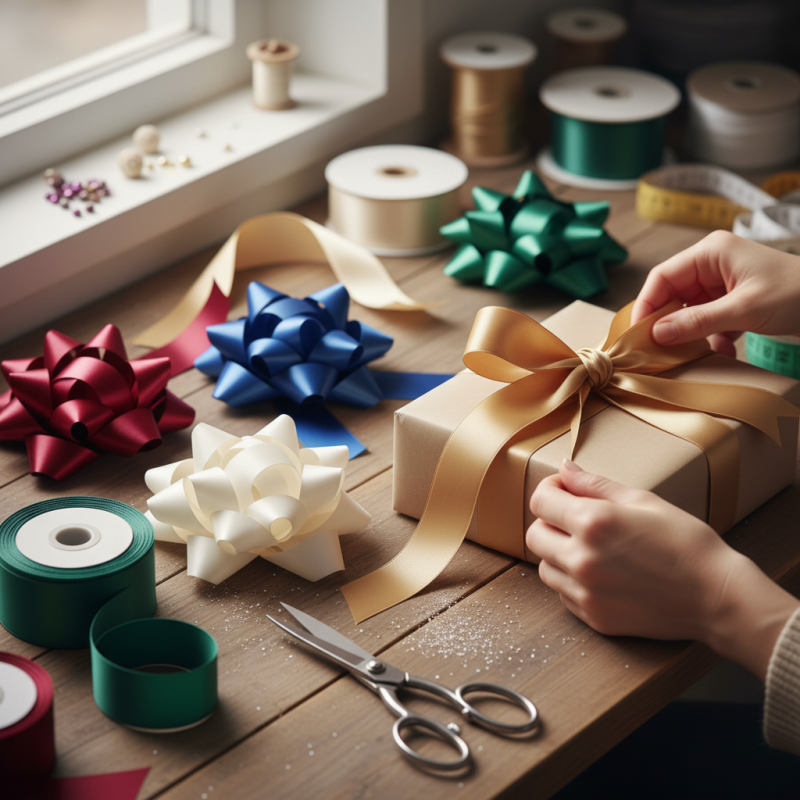
Choosing the right satin ribbon is essential for creating a professional bow. The ribbon's width and texture can significantly impact the final look. A wider ribbon often creates a more luxurious bow, while a thinner ribbon yields a delicate finish. Consider the occasion when selecting your ribbon. For formal events, opt for richer colors like deep red or royal blue. For casual gatherings, lighter shades can add a cheerful touch.
Textured satin ribbons also catch the light beautifully. Look for options that have a slight sheen for added elegance. Pay attention to the weight of the ribbon, too. Heavier ribbons tend to hold their shape better, resulting in a more polished bow. However, lighter ribbons offer flexibility and can be easier to manipulate. Test different types to find what works best for your needs.
As you experiment, remember that imperfections can add character. A lopsided bow can show a handmade touch. Don't worry if your first attempt isn't perfect. Practice makes progress, and reflecting on what went wrong can lead to better results. Each bow tied is a step towards mastering the craft.
Creating elegant bows with satin ribbons can be a delightful experience. To start, you need some essential tools and materials. A pair of sharp scissors will ensure clean cuts. A ruler helps measure ribbon lengths accurately, while a lighter can seal edges to prevent fraying. Additionally, a hot glue gun is a versatile tool for securing bows in place.
Satin ribbons are available in various widths and colors. Choose a ribbon that complements your project. You may find it helpful to have different shades on hand. While crafting bows, the process isn't always smooth. A bow might not turn out as expected. This can be frustrating, but it’s also part of the learning curve. Adjusting your technique or trying new styles can lead to improvement. Embrace imperfections; they often inspire creativity in future projects.
Creating a classic bow with satin ribbons is an art that enhances gift wrapping and decor. Start by cutting a length of satin ribbon, ideally about 36 to 48 inches. Ensure the ribbon’s ends are even for a neat finish. Holding the ribbon's center, create a loop with one side, crossing it over the other to form a simple bow shape.
Next, use the longer end of the ribbon to wrap around the center of the bow. Leave a small space for adjustment. This step can feel tricky; don't rush it. After wrapping, bring the end back to the front. Tuck it under the other loops. This part may require some practice to achieve a symmetrical look. Pull both loops gently to tighten the bow. Adjust the size as needed, keeping the bow balanced.
For a polished touch, trim the ends of the ribbon at an angle. This detail can elevate your final presentation. If the bow doesn’t quite look as you imagined, reflect on your technique. Each attempt teaches you something new. The key is patience. The charm of a DIY bow lies in its uniqueness. Embrace the imperfections, as they add character to your creation.
Creating beautiful satin bows can elevate any occasion. Each event calls for a unique touch. For weddings, a large, fluffy bow adds elegance. Choose a deep color to contrast with the wedding décor. The grandeur of your bow should match the grandeur of the day. For birthdays, a classic bow works wonders. Mixing pastels can be fun. It captures joy and celebration in one knot.
Corporate events require a more subdued approach. A neat, sleek bow in darker tones maintains professionalism. Pair it with minimalist décor for a refined look. It's essential to understand the atmosphere of the event. Sometimes, simplicity speaks volumes. Experimenting is key. A bow that seems perfect in theory might not fit the actual setup. Always take time to assess your final creation. Effective adjustments can transform a decent bow into something remarkable. Never rush the process; design is about exploration and learning.
| Method | Description | Best For |
|---|---|---|
| Classic Bow | A simple yet elegant bow tied in two loops. | General Use |
| Double Loop Bow | Features two loops for a fuller appearance. | Festive Occasions |
| Tulle Bow | Incorporates sheer tulle for a soft look. | Weddings |
| Gift Bow | A cheerful bow with loops and tails for gifts. | Gift Wrapping |
| Ruffled Bow | Features ruffled edges for a unique texture. | Creative Events |
| Layered Bow | Multiple ribbons layered for added dimension. | Special Events |
| Adjustable Bow | Can be adjusted for different sizes and styles. | Variable Use |
| One-Wire Bow | Easy to shape and secure with a wire base. | Craft Projects |
| Satin Flower Bow | Resembles a flower for a decorative touch. | Home Décor |
When creating a satin bow, attention to detail is crucial. One key aspect is the finishing touch. A well-made bow can elevate a simple gift or event décor. According to a 2022 survey by the Craft and Hobby Association, 78% of consumers believe that presentation is as important as the gift itself. This demonstrates the significant impact of an expertly tied bow.
A common mistake is underestimating the importance of even loops. Bows should have equal-sized loops for balance. If one loop is larger, the bow lacks symmetry. Experimenting with different ribbon widths can offer a unique look. For instance, narrow ribbons may require more practice to achieve fullness. Adjustments can lead to frustration, but those moments of trial will hone your craftsmanship.
Another area to focus on is the knot tension. Too tight, and your fabric may fray; too loose, the bow can droop. A 2023 report from the National Craft Association found that 65% of beginners struggle with this aspect. A gentle tug and a careful eye can make a big difference. Always strive for improvement. Use each attempt as a learning opportunity to refine your technique.
: The ribbon's width affects the bow's appearance. A wider ribbon creates a more luxurious bow.
For formal occasions, use rich colors like deep red or royal blue for elegance.
Textured satin ribbons catch light. A slight sheen adds elegance to your bows.
Heavier ribbons hold their shape better. Lighter ribbons are easier to manipulate.
Yes, imperfections can add character. A lopsided bow can showcase a handmade touch.
Cut a ribbon about 36 to 48 inches long for tying a classic bow.
Keep the ribbon's ends even. Creating loops and crossing them carefully helps.
Yes, don’t worry if it’s not perfect. Each attempt teaches valuable skills.
Reflect on your technique. Adjustments and practice can lead to better results.
Trimming at an angle gives a polished look, improving the overall presentation.
In the article "Top 10 Ways to Tie a Professional Bow with Satin Ribbons," readers are guided through essential steps and techniques for creating elegant bows suitable for various occasions. The first section emphasizes the importance of selecting the right satin ribbon, taking into consideration factors such as width, texture, and color to achieve a polished look. Following this, the article outlines the tools and materials necessary for bow crafting, ensuring that readers are well-prepared for the process.
The step-by-step guide demonstrates how to tie a classic bow with satin ribbons, making it accessible even for beginners. Additionally, the article explores creative variations on professional bows to inspire uniqueness in design. Finally, tips for finishing touches help readers perfect their satin bow technique, ensuring each creation is not only beautiful but also professional. This comprehensive approach answers the question of how to tie a professional bow with satin ribbons effectively and elegantly.
