Felicita Decor Felicita Decor

Why Are Handmade Wooden Crafts More Expensive Than Plastic?

Time:2026-10-19 Author:Liam
0%

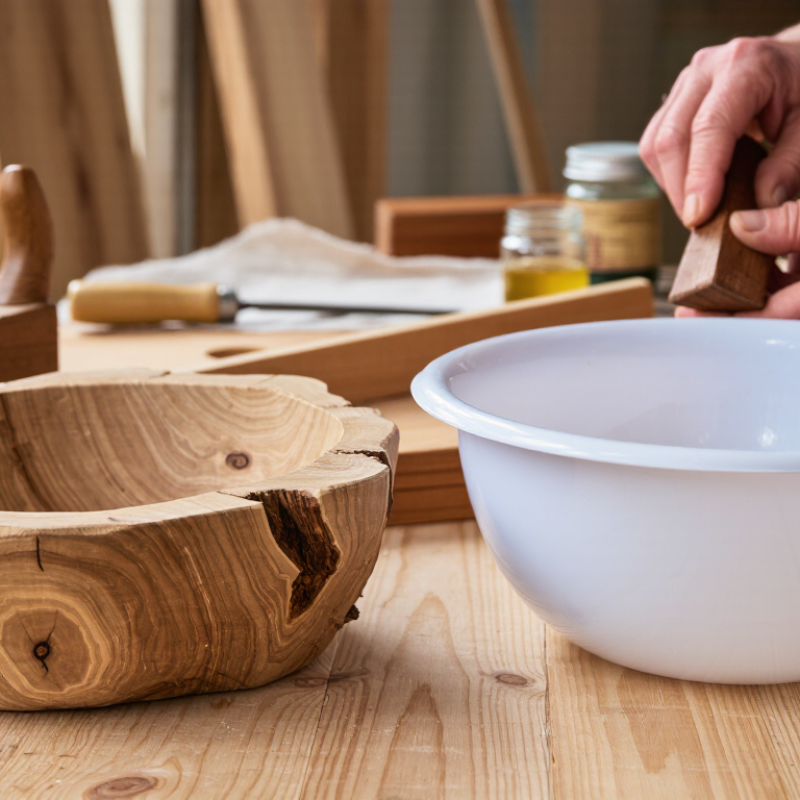
Why are handmade wooden crafts more expensive than plastic? The answer begins with the maker’s hands, tools, and time. A hand-carved wooden bowl may require several hours of shaping, sanding, and careful finishing. Its surface can reveal grain lines, small knots, and slight changes in color. These details make each piece distinct. They also make production slower.

A plastic bowl often leaves a factory through a highly automated process. One mold can produce thousands of nearly identical items. Handmade woodwork follows a different path. The craftsperson selects suitable timber, removes weak sections, and checks the shape repeatedly. The wood may need weeks of drying before it becomes stable. Natural oil or food-safe wax can require several applications. Small imperfections remain. They are not always defects.

This article examines labor, material quality, workshop costs, durability, and environmental responsibility. It also considers the maker’s experience and the evidence behind each price. Reliable comparisons should include receipts, production time, timber sources, and finishing methods. A higher price does not automatically prove higher quality. Some handmade products use poor wood or careless construction. Plastic is not automatically inferior either. Durable recycled plastic may serve practical needs well.

A balanced view matters. Personal experience can reveal how a wooden handle feels after years of use, but one example cannot prove every claim. Certified timber, transparent sellers, and clear care instructions improve trust. By examining these details, readers can judge value beyond appearance and understand what they are actually paying for.
Why Are Handmade Wooden Crafts More Expensive Than Plastic?

What Defines Handmade Wooden Crafts and Plastic Products?

Handmade wooden crafts are defined by human skill, slower production, and material variation. A craftsperson selects a board, follows its grain, cuts it, sands it, and applies finish by hand. Small marks may remain. They show the process.

Plastic products usually begin with pellets, molds, and automated forming. This system creates consistent shapes at high volume, with very little labor per unit.

That difference explains much of the price gap. Woodworkers pay for skilled hours, durable tools, workshop space, timber selection, and quality inspection. Plastic manufacturing spreads mold and machine costs across thousands of identical pieces.

The OECD’s Global Plastics Outlook reported 353 million tonnes of plastic waste in 2019, while only 9% was recycled. The figure highlights plastic’s scale, not automatic environmental superiority. The FAO’s Global Forest Resources Assessment 2020 also reported that forests cover about 31% of global land. Responsible wood sourcing still matters. A handmade item can waste timber, too. This point is often overlooked.

Tips: Check the wood species, finish, joinery, and repair options. Ask whether the maker can explain the material’s source. Look closely at edges and joints. Uneven grain is not always a defect. Still, poor construction should not be romanticized as “handmade.” Cost reflects time and judgment, but price alone cannot prove quality, ethical sourcing, or long service life.

How Material Quality Shapes Their Cost and Lifespan

A handmade wooden craft often costs more because material quality demands slower, more careful production. Dense, straight-grained timber is harder to source and produces more usable strength. Drying matters. The USDA Forest Products Laboratory’s Wood Handbook reports that changing moisture content makes wood swell, shrink, and sometimes crack. Craft workers must control grain direction, joints, sanding, and protective finishing. These steps raise labor costs, but they can reduce early failure. Not always. Poorly dried wood may warp beside a sunny window, weakening the value of skilled labor.

Plastic crafts usually begin with pellets, molds, and repeatable machine cycles, so unit costs fall at volume. The OECD Global Plastics Outlook reports 353 million tonnes of plastic waste in 2019, with only 9% recycled. That figure does not prove every plastic object has a short life. Some polymers resist moisture better than untreated wood. However, inexpensive plastic may fade, scratch, or become brittle under ultraviolet exposure. A wooden object can remain useful for decades indoors when its finish is renewed and joints stay dry. I would not promise permanence. Species, humidity, maintenance, and repair quality change the result. The higher price is partly for material performance, and partly for risks the maker has already managed.

Why Skilled Craftsmanship Increases Wooden Craft Prices

Why Are Handmade Wooden Crafts More Expensive Than Plastic?

Skilled craftsmanship is the main reason wooden crafts cost more. A maker selects suitable timber, studies its grain, and removes hidden defects. Each cut requires judgment. Sanding may involve several grades, from coarse paper to fine finishing sheets. One careless stroke can ruin an edge or expose a weak area.

Labor also shapes the price. The U.S. Bureau of Labor Statistics reported woodworker wages at roughly 18 dollars per hour in its May 2023 data. Independent makers must also cover design time, tool maintenance, workshop energy, packaging, and rejected pieces.

A small carved tray may require hours of work, even when its material cost remains modest. Plastic production usually spreads tooling costs across thousands of identical units.

The Crafts Council’s Market for Craft report valued the UK craft economy at about 3.4 billion pounds. That figure shows craft is an economic sector, not merely a hobby.

Still, handmade pricing is not perfectly consistent. Some makers undercharge because they ignore planning and repair time. Others may price emotional value too aggressively. Buyers should ask about timber sourcing, finish quality, production time, and care instructions.

Wood can age beautifully. It can also warp.

How Production Methods Affect Labor and Manufacturing Costs

Why Are Handmade Wooden Crafts More Expensive Than Plastic?

In a small workshop, making a wooden item begins long before cutting. Workers inspect each board for knots, moisture, grain direction, and hidden cracks. They measure every piece by hand, then adjust the design around natural irregularities. The difference is labor. Shaping, sanding, drilling, and joining may take several hours for one object. A craftsman may also sharpen tools, remove dust, apply several finish coats, and inspect the surface under strong light. Each stage requires judgment, not just physical effort. That judgment is difficult to standardize and difficult to replace with a machine.

Plastic production usually follows a different cost structure. A mold can be expensive to create, but it may produce thousands of identical parts. Automated machines control temperature, pressure, and cycle time with consistent results. Labor is often concentrated in mold design, machine operation, quality checks, and maintenance. Large production runs can spread tooling costs across many units. Handmade production cannot always achieve that advantage. Small batches also create more setup time and more material waste.

Wood is not automatically superior. Some handmade pieces need repairs, and natural variation can disappoint buyers expecting perfect symmetry. I have also seen careful sanding add value, but not every extra hour improves function. Pricing should reflect measurable work, material quality, finishing standards, and inspection time. It should not rely only on the word “handmade.”

What Environmental and Cultural Values Add to Their Price

In a small workshop, a maker may spend hours carving one wooden bowl. The work includes selecting timber, drying it, shaping the grain, and sanding every edge. That labor is visible. Plastic can be molded quickly, but handmade wood records human attention in each uneven line.

Environmental value also affects the price. Responsibly sourced wood can support forest management when harvesting follows credible forestry standards. Local timber may require less transport than imported materials. Many makers reuse fallen trees, workshop offcuts, or reclaimed boards. Wooden objects can also be repaired, refinished, and used for decades. However, handmade does not automatically mean sustainable. A product made from poorly sourced wood still carries environmental costs. Lifecycle studies also remind us that finishing oils, shipping, and packaging matter.

Cultural value is less measurable, but deeply important. A carving method may come from a craft tradition passed through several generations. Local patterns can preserve stories about rivers, harvests, or family ceremonies. Higher prices may help skilled makers continue this work instead of abandoning it for faster employment. In my experience, that support feels meaningful when the maker explains the material and process honestly. Still, cultural storytelling can be exaggerated. A beautiful object is not automatically ethical. Buyers should ask where the wood came from, who made the piece, and whether the price fairly reflects the maker’s time.

FAQS

What makes handmade wooden crafts different from plastic products?

Handmade wooden crafts depend on human skill, slower work, and natural material variation.

Why do handmade wooden crafts often cost more?

Their price includes skilled labor, timber selection, tools, workshop space, and inspection.

Does a higher price prove better quality?

No. Price alone cannot prove quality, ethical sourcing, or long service life.

What details should buyers inspect on a wooden craft?

Check the wood species, surface finish, edges, joints, and available repair options.

Are small marks on handmade wood products a problem?

Small marks can show the cutting, sanding, and finishing process.

Can wooden crafts have environmental drawbacks?

Yes. Wood may be responsibly sourced, but waste can still occur during production.

Are plastic products always worse for the environment?

Not automatically. Plastic production can reduce material variation and create efficient, consistent units.

How should buyers judge a wooden craft’s long-term value?

Consider construction, finish, repairability, care instructions, and expected use.

Conclusion

Why are handmade wooden crafts more expensive than plastic? The answer lies in the differences in materials, production, and lasting value. Handmade wooden crafts are made from natural wood, which can offer greater strength, unique grain patterns, and a longer usable life when properly cared for. Plastic products are often manufactured quickly from standardized materials, making them cheaper and easier to produce in large quantities, but they may be less durable or visually distinctive.

Skilled craftspeople spend considerable time selecting wood, shaping each piece, refining details, and applying protective finishes. These careful processes require experience, patience, and more labor than automated plastic production. In addition, handmade wooden crafts may reflect traditional skills, local culture, and a closer connection to nature. Their environmental value can also be greater when responsibly sourced wood is used and the product is designed to last. Therefore, the higher price represents not only the material, but also craftsmanship, time, durability, cultural meaning, and responsible production.

Liam

Liam

Liam is a dedicated marketing professional with a profound expertise in the industry, where he excels at highlighting the unique advantages of our core products. With a keen understanding of market trends and consumer needs, Liam frequently updates our company’s professional blog, providing......