 Felicita Decor
A pillar candle can look simple: a solid column of wax, a centered wick, and a steady flame. Yet two candles of similar size may burn at very different rates. The difference often begins with the wax blend, wick selection, and how evenly the candle was formed. Dense, well-made wax can melt more gradually, while a suitable wick helps control the flame and limit excessive melting. Small details matter.
What is the burn time for high-quality pillar candles? There is no single answer. Burn time depends on candle diameter, height, wax type, wick design, and conditions such as drafts or room temperature. A manufacturer’s estimate can offer a useful starting point, but it is not a guarantee. Read the product guidance, and compare candles of similar size rather than relying on price or appearance alone.
Good construction helps, but care matters too. A pillar candle placed on a level, heat-resistant surface and kept away from moving air is more likely to burn evenly. Trim the wick according to the maker’s instructions, and watch for tunneling, a leaning flame, or a deep pool of melted wax. These signs can affect performance. They can also be easy to miss.
Longer burn time is not simply a matter of using more wax. It reflects a balance between materials, dimensions, and wick behavior. Even careful comparisons have limits. This guide explains the factors behind burn time and how to judge product claims with practical expectations.
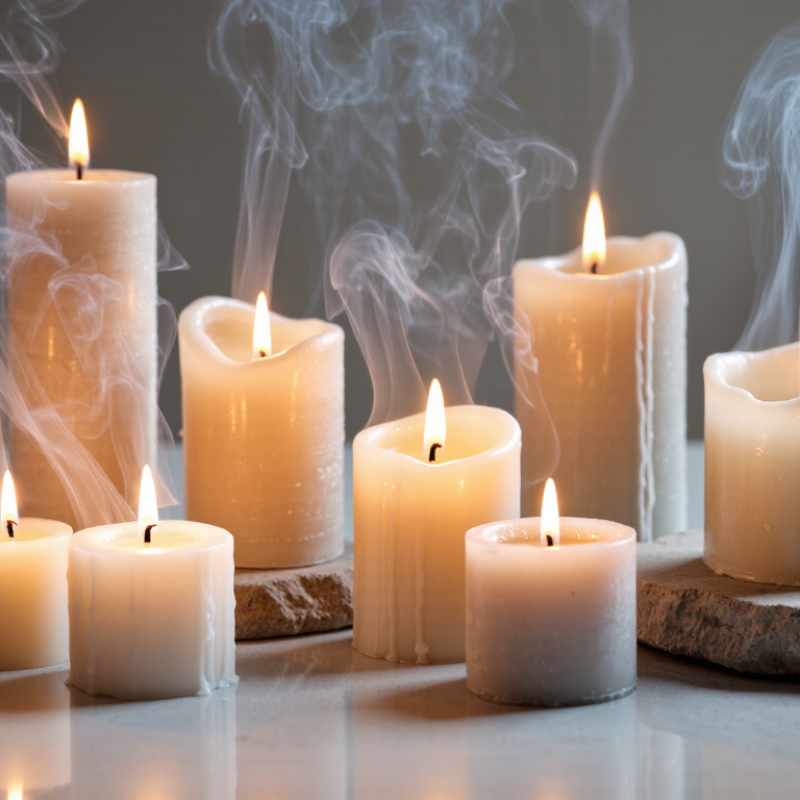
Wax density affects how much fuel a pillar candle holds in a given volume. A denser, well-set wax blend can pack more material into each inch of candle, potentially extending burn time. But density alone is not a quality score. The blend’s melting range, fragrance load, and wick size also shape how quickly the melt pool feeds the flame. In practical candle testing, a pillar with a steady, centered flame and an even melt pool is more informative than a “slow-burning” label. Small differences in wick trimming can change the result.
The National Candle Association’s care guidance recommends trimming wicks to about 1/4 inch before lighting and limiting each burn to four hours. Those figures matter: a long wick can create a larger flame and faster fuel use, obscuring the effect of the wax itself. ASTM International’s candle fire-safety standard evaluates safety performance, not a universal burn-time rating, so comparisons need controlled conditions. That distinction is easy to miss. Look for test results that state candle dimensions, wax type, wick, and burn conditions. Even then, room drafts and repeated relighting can shift results; density helps explain longevity, but it cannot promise an exact number of hours.
Its broad, upright shape can hold a wider pool of melted wax. A level, heat-resistant surface also helps keep it stable.
Not always. A suitable wick and calm room conditions help the pool reach the edges gradually. Some wax may remain.
A large wick may create a deep pool and use wax quickly. A small wick can tunnel down the center.
Place it on a level surface away from open windows. Trim the wick to about 6 millimeters before lighting.
Let the initial wax pool reach near the candle’s edges. If it stays narrow, tunneling may continue. It can be frustrating.
Drafts can push the flame sideways and leave one edge uneven. An uncentered wick or inconsistent wax can also affect burning.
No. Safety requirements do not promise a fixed number of burning hours. Wick length, room conditions, and the first melt pool still matter.
They may weigh wax pours, measure wick placement, and burn-test samples from each batch. Even then, results can vary.
No. Keep the flame in sight, and use a flat, heat-resistant surface. Small details matter.
High-quality pillar candles tend to burn longer because their wax is carefully selected and densely formed. A consistent wax blend melts at a steady rate, while a properly sized and centered wick draws fuel efficiently without producing an excessively large flame. Together, these features help limit uneven melting and unnecessary wax consumption.
The candle’s shape and stability also matter: a well-made pillar supports an even pool of melted wax and burns consistently as it gets shorter. Careful manufacturing helps ensure uniform density, wick placement, and structure from candle to candle. What is the burn time for high-quality pillar candles depends on factors such as candle size, wax type, wick design, and burning conditions, but thoughtful materials and construction can extend usable burn time and make the candle’s performance more reliable.
